A Guide To Clean Movies
By Ava White
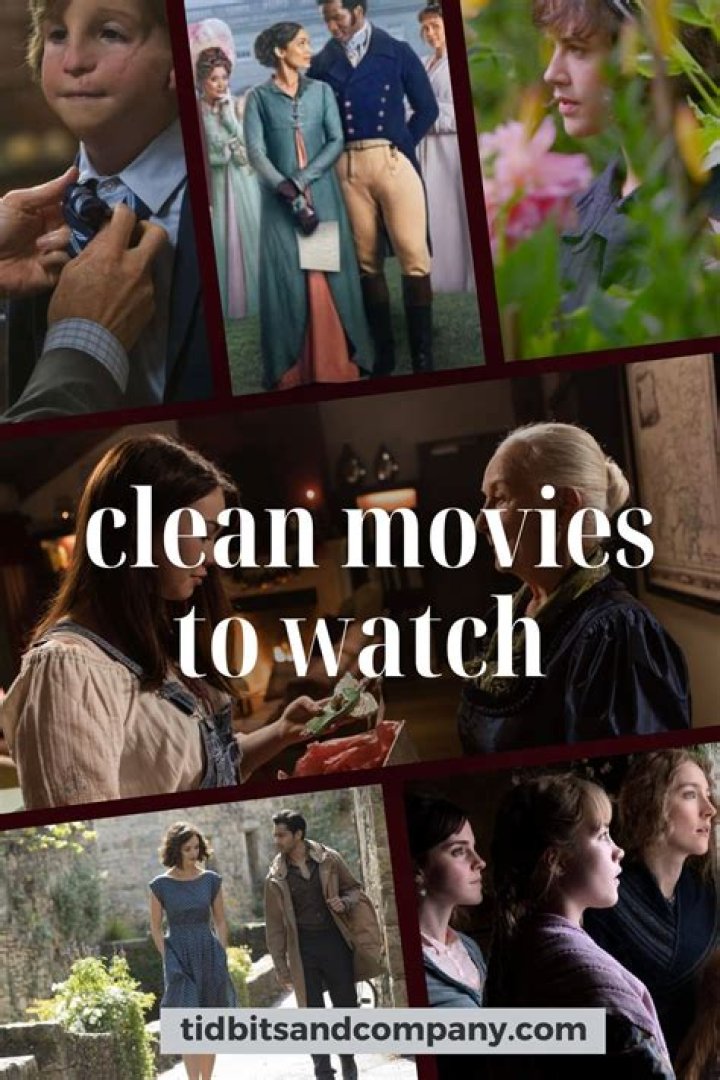
What are "clean movies"?
Clean movies are films that are free of explicit content, such as violence, profanity, sexual content, or drug use. They are often made with the intention of being suitable for all audiences, including children.
Clean movies have a long history in the film industry, dating back to the early days of cinema. In the 1930s, the Hays Code was established in the United States, which set guidelines for the content of films. These guidelines included a ban on profanity, nudity, and other forms of explicit content. The Hays Code remained in effect until the 1960s, when it was replaced by the MPAA film rating system.
Today, clean movies are still popular with audiences of all ages. They are often seen as a safe and wholesome option for family viewing. Clean movies can also be a valuable educational tool, teaching children about important values such as kindness, compassion, and forgiveness.
Clean Movies
Clean movies are films that are free of explicit content, making them suitable for audiences of all ages. They offer a range of benefits, including entertainment, education, and the promotion of positive values.
- Family-friendly: Clean movies are a safe and wholesome option for family viewing.
- Educational: Clean movies can teach children about important values such as kindness, compassion, and forgiveness.
- Positive role models: Clean movies often feature positive role models who can inspire children to make good choices.
- Cultural diversity: Clean movies can help children to learn about different cultures and perspectives.
- Historical context: Clean movies have a long history in the film industry, dating back to the early days of cinema.
- MPAA ratings: Clean movies are typically rated G or PG by the MPAA, which means that they are appropriate for all audiences or for children over the age of 10.
- Global appeal: Clean movies are popular with audiences of all ages around the world.
In conclusion, clean movies offer a number of important benefits, including entertainment, education, and the promotion of positive values. They are a valuable resource for families, educators, and anyone who wants to enjoy wholesome and uplifting films.
Family-friendly
Clean movies are a valuable resource for families because they provide a safe and wholesome viewing experience. Unlike movies that are rated R or PG-13, clean movies are free of explicit content, such as violence, profanity, and sexual content. This makes them appropriate for audiences of all ages, including children.
In addition to being safe, clean movies are also wholesome. They often promote positive values, such as kindness, compassion, and forgiveness. They can also help children to learn about different cultures and perspectives. For example, the movie "Coco" is a clean movie that celebrates Mexican culture and traditions. The movie "Wonder" is a clean movie that teaches children about the importance of acceptance and kindness.
Clean movies can play an important role in a child's development. They can help children to learn about the world around them, develop their moral values, and expand their imaginations. They can also provide a fun and enjoyable way for families to spend time together.
Educational
Clean movies can be a valuable educational tool for children. They can teach children about important values such as kindness, compassion, and forgiveness. They can also help children to learn about different cultures and perspectives. For example, the movie "Coco" is a clean movie that celebrates Mexican culture and traditions. The movie "Wonder" is a clean movie that teaches children about the importance of acceptance and kindness.
- Prosocial behavior: Clean movies can teach children about prosocial behavior, such as helping others, sharing, and cooperating. For example, the movie "Toy Story" teaches children about the importance of friendship and teamwork.
- Empathy: Clean movies can help children to develop empathy by showing them the experiences of others. For example, the movie "The Lion King" teaches children about the importance of compassion and forgiveness.
- Diversity: Clean movies can help children to learn about different cultures and perspectives. For example, the movie "Mulan" teaches children about Chinese culture and history.
- Conflict resolution: Clean movies can teach children about healthy ways to resolve conflict. For example, the movie "Inside Out" teaches children about the importance of emotional regulation and problem-solving.
In conclusion, clean movies can be a valuable educational tool for children. They can teach children about important values, such as kindness, compassion, and forgiveness. They can also help children to learn about different cultures and perspectives, and to develop empathy and conflict resolution skills.
Positive role models
Clean movies often feature positive role models who can inspire children to make good choices. These role models can teach children about the importance of kindness, compassion, and forgiveness. They can also help children to develop a strong sense of self-esteem and to believe in themselves.
- Overcoming adversity: Clean movies often feature characters who overcome adversity and achieve their goals. These characters can inspire children to never give up on their dreams, no matter how difficult things may seem.
- Making good choices: Clean movies often show characters making good choices, even when it is difficult. These characters can teach children about the importance of making responsible decisions.
- Standing up for what is right: Clean movies often feature characters who stand up for what is right, even when it is unpopular. These characters can teach children about the importance of standing up for what they believe in.
- Being kind and compassionate: Clean movies often feature characters who are kind and compassionate to others. These characters can teach children about the importance of treating others with respect and kindness.
In conclusion, clean movies can provide children with positive role models who can inspire them to make good choices. These role models can teach children about the importance of kindness, compassion, forgiveness, and perseverance. They can also help children to develop a strong sense of self-esteem and to believe in themselves.
Cultural diversity
Clean movies can play an important role in promoting cultural diversity and understanding. They can help children to learn about different cultures and perspectives, and to develop a greater appreciation for the world around them. For example, the movie "Coco" is a clean movie that celebrates Mexican culture and traditions. The movie "Wonder" is a clean movie that teaches children about the importance of acceptance and kindness, and features a diverse cast of characters.
In addition to promoting cultural diversity, clean movies can also help children to develop empathy and compassion. By seeing the world through the eyes of different characters, children can learn to understand and appreciate the experiences of others. This can help them to become more tolerant and accepting of people from different backgrounds.
In conclusion, clean movies can be a valuable tool for promoting cultural diversity and understanding. They can help children to learn about different cultures and perspectives, to develop empathy and compassion, and to become more tolerant and accepting of others.
Historical context
Clean movies have a long history in the film industry, dating back to the early days of cinema. The first clean movies were produced in the early 20th century, and they quickly became popular with audiences of all ages. In the 1930s, the Hays Code was established in the United States, which set guidelines for the content of films. These guidelines included a ban on profanity, nudity, and other forms of explicit content. The Hays Code remained in effect until the 1960s, when it was replaced by the MPAA film rating system.
Today, clean movies are still popular with audiences of all ages. They are often seen as a safe and wholesome option for family viewing. Clean movies can also be a valuable educational tool, teaching children about important values such as kindness, compassion, and forgiveness.
The historical context of clean movies is important because it helps us to understand the evolution of this genre. It also helps us to appreciate the role that clean movies have played in shaping the film industry and in providing entertainment and education to audiences of all ages.
MPAA ratings
The Motion Picture Association of America (MPAA) film rating system is a voluntary system used to rate films based on their content. The MPAA ratings are used by parents and other consumers to make informed decisions about which movies are appropriate for their children.
- G: General Audiences. All ages admitted.
- PG: Parental Guidance Suggested. Some material may not be suitable for children.
- PG-13: Parents Strongly Cautioned. Some material may be inappropriate for children under 13.
- R: Restricted. Under 17 requires accompanying parent or adult guardian.
- NC-17: No One 17 and Under Admitted.
Clean movies are typically rated G or PG by the MPAA, which means that they are appropriate for all audiences or for children over the age of 10. Clean movies are free of explicit content, such as violence, profanity, sexual content, or drug use. They are often seen as a safe and wholesome option for family viewing.
The MPAA film rating system is a valuable tool for parents and other consumers. It provides information about the content of movies so that people can make informed decisions about which movies are appropriate for their children.
Global appeal
The global appeal of clean movies can be attributed to several factors that resonate with audiences worldwide. These factors include:
- Universal themes: Clean movies often explore universal themes that transcend cultural boundaries, such as love, family, friendship, and overcoming adversity. These themes resonate with audiences of all ages and backgrounds, making clean movies appealing to a global audience.
- Positive messages: Clean movies often convey positive messages about life, hope, and overcoming challenges. These messages are uplifting and inspiring, resonating with audiences who seek entertainment that is both enjoyable and meaningful.
- Cultural diversity: Clean movies can showcase diverse cultures and perspectives, allowing audiences to learn about different ways of life. This exposure to diversity promotes understanding and empathy, making clean movies appealing to audiences around the world.
- Family-friendly: Clean movies are often seen as family-friendly, making them a popular choice for parents who want to share entertaining and wholesome content with their children.
In conclusion, the global appeal of clean movies stems from their universal themes, positive messages, cultural diversity, and family-friendly nature. These factors resonate with audiences of all ages and backgrounds, making clean movies popular around the world.
FAQs on Clean Movies
This section addresses frequently asked questions (FAQs) about clean movies, providing concise and informative answers to common concerns and misconceptions.
Question 1: What exactly are clean movies?
Clean movies are films that are free of explicit or inappropriate content, such as violence, profanity, sexual content, or drug use. They are suitable for all audiences, including children, and often promote positive values and messages.
Question 2: Why are clean movies important?
Clean movies provide a safe and wholesome viewing experience for all ages. They can entertain, educate, and inspire audiences while promoting positive values such as kindness, compassion, and forgiveness.
Question 3: Are clean movies only for children?
No, clean movies are not exclusively for children. They can be enjoyed by audiences of all ages, including adults, who appreciate wholesome and uplifting entertainment.
Question 4: How can I find clean movies to watch?
There are various ways to find clean movies. You can check streaming platforms that offer dedicated categories or filters for clean content. Additionally, organizations like the Dove Foundation provide reviews and ratings for family-friendly movies.
Question 5: Do clean movies have any educational value?
Yes, clean movies can have educational value. They can teach children about important topics such as empathy, diversity, and problem-solving. Additionally, they can spark discussions and provide opportunities for families to bond over shared experiences.
Question 6: Are there any drawbacks to watching clean movies?
While clean movies generally have positive benefits, some may argue that they can be overly simplistic or lack the depth of more mature films. However, there are many high-quality clean movies that offer engaging and thought-provoking content for all audiences.
In summary, clean movies provide a valuable and enjoyable viewing experience for audiences of all ages. They promote positive values, offer educational opportunities, and can be a source of entertainment and inspiration for families and individuals alike.
Conclusion
Clean movies offer a unique cinematic experience that caters to audiences of all ages without compromising quality or entertainment value. They provide a safe and wholesome viewing environment, promote positive values, and can contribute to the education and development of children.
As the demand for clean movies continues to grow, it is essential to recognize their significance in shaping the media landscape. By supporting and encouraging the creation and distribution of clean movies, we can foster a culture that values wholesome storytelling and positive role models. Clean movies remind us that entertainment can be both enjoyable and uplifting, inspiring us to make a difference in the world.
Scott Colomby And Valerie Bertinelli: A Match Made In Hollywood Heaven
Unleash Your Inner Wit: Hilarious Usernames For Gaming Shenanigans
The Age Of David Boreanaz: Unveiling The Years
26 Clean Movies for Date Nights At Home (Updated for 2023!) A Joy
The Top 15 Inspiring and Clean Movies to Watch on Netflix Tidbits