
Birds And What They Represent
By Emily Cortez
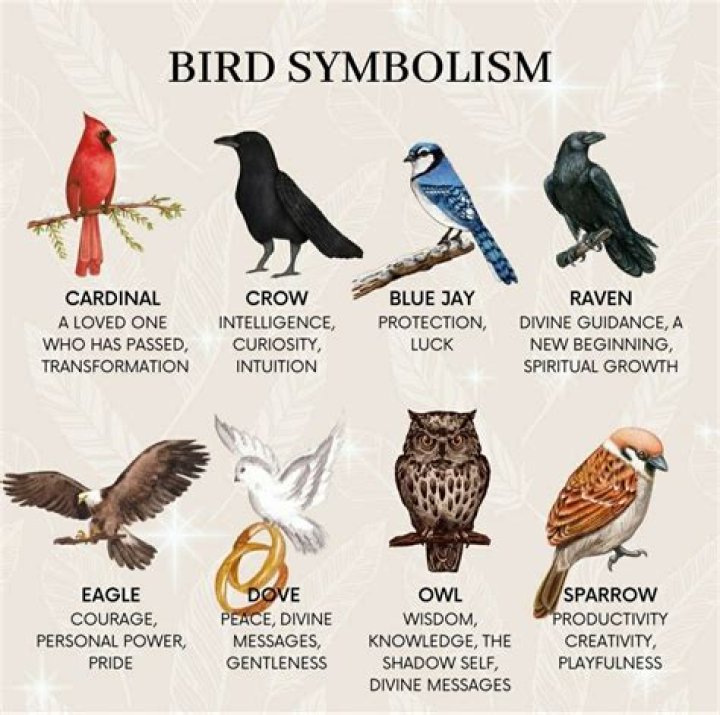
Birds and What They Represent
Birds have long been a source of fascination and symbolism for humans. They appear in art, literature, and mythology across cultures and time periods. Birds can represent a wide range of things, including freedom, hope, peace, and new beginnings. They can also be seen as symbols of the soul, the divine, or the natural world.
The symbolism of birds is often tied to their physical characteristics and behaviors. For example, birds' ability to fly has led them to be associated with freedom and transcendence. Their migratory patterns have also made them symbols of hope and new beginnings. In many cultures, birds are seen as messengers from the gods or the spirit world.
Birds play an important role in the ecosystem. They help to control insect populations, pollinate plants, and disperse seeds. Birds are also a food source for other animals, including humans. In addition to their ecological importance, birds provide us with a sense of wonder and beauty. Their songs and plumage can bring joy and inspiration to our lives.
Birds and What They Represent
Birds have long been a source of fascination and symbolism for humans. They appear in art, literature, and mythology across cultures and time periods. Birds can represent a wide range of things, including freedom, hope, peace, and new beginnings. They can also be seen as symbols of the soul, the divine, or the natural world.
- Freedom: Birds are often associated with freedom because of their ability to fly.
- Hope: Birds are also seen as symbols of hope because of their migratory patterns.
- Peace: Birds can also represent peace and tranquility.
- New beginnings: Birds are often associated with new beginnings because they are often seen as messengers of spring.
- The soul: In many cultures, birds are seen as symbols of the soul.
- The divine: Birds are also often seen as messengers from the gods or the spirit world.
- The natural world: Birds are an important part of the natural world and play a vital role in the ecosystem.
- Inspiration: Birds can also be a source of inspiration and beauty.
These are just a few of the many things that birds can represent. The symbolism of birds is complex and multifaceted, and it can vary depending on the culture and context in which they are used. However, one thing is clear: birds have a special place in the human imagination, and they continue to inspire and fascinate us today.
Freedom
Birds are often seen as symbols of freedom because of their ability to fly. This is because flying is seen as a metaphor for freedom and liberation. When we see a bird soaring through the sky, we can't help but feel a sense of awe and wonder. We imagine what it would be like to be able to fly, to be free from the constraints of the earth and to experience the world from a different perspective. Birds represent the freedom to explore, to dream, and to be ourselves.
The connection between birds and freedom is also evident in the way that birds are used in literature and art. In literature, birds are often used to represent characters who are seeking freedom or who are trying to escape from something. In art, birds are often depicted as symbols of hope and liberation.
The freedom that birds represent is something that we can all strive for. We can all strive to be free from the constraints of our own lives and to live our lives to the fullest. Birds can inspire us to be more independent, to take risks, and to never give up on our dreams.
Hope
Birds are often seen as symbols of hope because of their migratory patterns. Every year, birds migrate thousands of miles to find food and breeding grounds. This journey is often fraught with danger, but the birds never give up. They keep flying, even when the journey is difficult. Their determination and resilience are an inspiration to us all.
The migratory patterns of birds also remind us that there is always hope, even in the darkest of times. When we see birds flying south for the winter, we know that spring will eventually come. The birds' migratory patterns are a reminder that even when things are tough, there is always hope for a better future.
The hope that birds represent is something that we can all hold onto. When we are feeling lost or discouraged, we can look to the birds for inspiration. Their migratory patterns remind us that even when the journey is difficult, we must never give up. There is always hope for a better future.
Peace
Birds are often associated with peace and tranquility because of their gentle nature and their beautiful songs. In many cultures, birds are seen as messengers of peace and good luck. For example, in the Christian tradition, the dove is a symbol of the Holy Spirit and is often depicted in art as a symbol of peace.
- Tranquility: The gentle cooing of doves and the peaceful flight of birds can create a sense of tranquility and calm. The presence of birds in nature can help us to relax and de-stress.
- Harmony: Birds are often seen as symbols of harmony and balance. Their ability to fly and their intricate songs create a sense of beauty and order in the natural world.
- Hope: Birds can also represent hope and new beginnings. The arrival of birds in the spring is a sign that winter is over and that new life is on the horizon.
- Freedom: The ability of birds to fly can also be seen as a symbol of freedom and liberation. Birds are free to roam the skies and to explore the world.
The peace and tranquility that birds represent is something that we can all strive for. We can all strive to create a more peaceful and harmonious world, and we can all find peace and tranquility within ourselves. Birds can inspire us to be more peaceful, to be more compassionate, and to be more loving.
New beginnings
In the context of "birds and what they represent", the association between birds and new beginnings is particularly significant. Birds are often seen as symbols of hope and renewal, as they are often the first sign of spring after a long winter. Their arrival signals the end of the cold and darkness and the beginning of a new season of growth and life.
- Messengers of hope: Birds are often seen as messengers of hope, as they are often the first sign of spring after a long winter. Their arrival signals the end of the cold and darkness and the beginning of a new season of growth and life.
- Symbols of renewal: Birds are also seen as symbols of renewal, as they are often associated with the cycle of life and death. Their ability to fly and migrate also symbolizes the ability to overcome obstacles and to start anew.
- Bringers of joy: Birds are also seen as bringers of joy, as their songs and presence can brighten even the darkest of days. Their beauty and grace can also inspire us to appreciate the beauty of the world around us.
- Reminders of change: Birds can also remind us of the importance of change and adaptation. Their ability to migrate and to adapt to different environments is a reminder that we too must be willing to change and adapt in order to thrive.
The association between birds and new beginnings is a reminder that even in the darkest of times, there is always hope for a new beginning. Birds can inspire us to be more hopeful, to be more resilient, and to be more open to change.
The Soul
The connection between birds and the soul is a deep and ancient one. In many cultures around the world, birds are seen as symbols of the soul, the spirit, or the afterlife. This is likely due to the fact that birds are often associated with the sky and the heavens, which are seen as the realms of the divine. Additionally, birds are often seen as messengers between the worlds of the living and the dead.
In some cultures, birds are believed to be the souls of the departed. For example, in ancient Egypt, the god Horus was often depicted as a falcon, and the goddess Isis was often depicted as a dove. In ancient Greece, the god Hermes was often depicted with wings on his feet, and he was said to be the messenger of the gods. In Christianity, the dove is a symbol of the Holy Spirit, and it is often seen as a symbol of peace and hope.
The connection between birds and the soul is a reminder that we are all connected to something greater than ourselves. Birds can inspire us to be more spiritual, to be more hopeful, and to be more connected to the natural world.
The Divine
The connection between birds and the divine is a deep and ancient one. In many cultures around the world, birds are seen as messengers from the gods or the spirit world. This is likely due to the fact that birds are often associated with the sky and the heavens, which are seen as the realms of the divine. Additionally, birds are often seen as symbols of freedom and hope, and they are often believed to be able to communicate with the spirit world.
- Messengers of the Gods: In many cultures, birds are seen as messengers from the gods. For example, in ancient Greece, the god Hermes was often depicted with wings on his feet, and he was said to be the messenger of the gods. In ancient Egypt, the god Horus was often depicted as a falcon, and the goddess Isis was often depicted as a dove.
- Symbols of Hope: Birds are also often seen as symbols of hope. For example, in Christianity, the dove is a symbol of the Holy Spirit, and it is often seen as a symbol of peace and hope. In many cultures, birds are also seen as symbols of new beginnings and rebirth.
- Communicators with the Spirit World: In many cultures, birds are believed to be able to communicate with the spirit world. For example, in some Native American cultures, birds are seen as messengers between the world of the living and the world of the dead.
- Symbols of the Divine: In many cultures, birds are seen as symbols of the divine. For example, in Hinduism, the god Vishnu is often depicted as riding on a Garuda, a mythical bird. In Buddhism, the peacock is a symbol of wisdom and compassion.
The connection between birds and the divine is a reminder that we are all connected to something greater than ourselves. Birds can inspire us to be more spiritual, to be more hopeful, and to be more connected to the natural world.
The natural world
Birds are an essential part of the natural world. They play a vital role in the ecosystem, helping to control insect populations, pollinate plants, and disperse seeds. Birds are also a food source for other animals, including humans.
- Ecological roles: Birds play many important ecological roles, including:
- Insect control: Birds eat large quantities of insects, which helps to keep insect populations in check.
- Pollination: Birds pollinate flowers, helping plants to reproduce.
- Seed dispersal: Birds eat fruits and berries, and then disperse the seeds in their droppings, helping plants to spread to new areas.
- Food source: Birds are a food source for many other animals, including hawks, owls, snakes, and foxes. Birds are also an important source of protein for humans.
- Cultural significance: Birds have cultural significance in many societies around the world. In some cultures, birds are seen as symbols of freedom, hope, and peace. In other cultures, birds are seen as messengers from the gods or the spirit world.
The natural world is a complex and interconnected system, and birds play a vital role in maintaining the balance of this system. By understanding the importance of birds in the natural world, we can better appreciate the beauty and diversity of our planet.
Inspiration
The connection between "Inspiration: Birds can also be a source of inspiration and beauty." and "birds and what they represent" is a deep and multifaceted one. Birds have long been a source of inspiration for artists, writers, and musicians. Their beauty, grace, and freedom have captured the human imagination for centuries.
- Artistic Inspiration: Birds have been a popular subject for artists throughout history. Their beauty and grace have inspired countless paintings, sculptures, and other works of art.
- Literary Inspiration: Birds have also been a source of inspiration for writers. Their songs and flights have been immortalized in poetry and prose.
- Musical Inspiration: Birds have also inspired musicians. Their songs and calls have been incorporated into countless pieces of music.
- Personal Inspiration: Birds can also be a source of personal inspiration. Their beauty, grace, and freedom can inspire us to be more creative, to be more hopeful, and to be more connected to the natural world.
The inspiration that birds can provide is a powerful and transformative force. Birds can inspire us to be more creative, to be more hopeful, and to be more connected to the natural world. They can remind us of the beauty and wonder that surrounds us, and they can help us to see the world in a new way.
Birds and What They Represent
This section addresses common questions and misconceptions surrounding the symbolism and significance of birds.
Question 1: What is the most common symbolism associated with birds?
Birds are predominantly viewed as emblems of freedom and liberation due to their ability to soar through the vastness of the sky.
Question 2: How do birds relate to the concept of hope?
Birds embody hope through their migratory patterns. Despite the arduous journeys they undertake, they consistently demonstrate resilience and determination.
Question 3: In what ways are birds connected to the divine?
Across cultures, birds are often regarded as messengers or symbols of the divine. They are believed to bridge the gap between the realms of the living and the spiritual.
Question 4: How do birds contribute to the natural ecosystem?
Birds play crucial roles in maintaining ecological balance. They contribute to pollination, seed dispersal, and the regulation of insect populations.
Question 5: Can birds serve as sources of inspiration?
Absolutely. Birds have long inspired artists, writers, and musicians through their beauty, grace, and the freedom they represent.
Question 6: What should we learn from the representation of birds?
Birds remind us to embrace freedom, cultivate hope, connect with the spiritual realm, appreciate the interconnectedness of nature, and find inspiration in the beauty that surrounds us.
In conclusion, birds hold profound symbolic meanings and play multifaceted roles in our understanding of the world. Their presence in art, literature, and nature continues to inspire and enrich our lives.
Transition to the next article section...
Tips for Understanding the Symbolism of Birds
Birds hold a wealth of symbolic meanings, offering insights into various aspects of life. To enhance your understanding of "birds and what they represent," consider the following tips:
Tip 1: Explore Cultural Contexts:
The symbolism of birds can vary across cultures. Research the cultural context in which birds are depicted to gain a deeper understanding of their significance.
Tip 2: Pay Attention to Physical Characteristics:
Consider the physical characteristics of birds, such as their size, color, and flight patterns. These attributes often provide clues to their symbolic meanings.
Tip 3: Examine Behavioral Patterns:
Observe the behaviors of birds, including their migratory patterns, nesting habits, and interactions with other species. These behaviors can reveal insights into their symbolic associations.
Tip 4: Study Artistic Representations:
Birds have been depicted in art throughout history. Analyze how artists have used birds to convey symbolism and explore the interpretations offered by art critics.
Tip 5: Seek Literary Interpretations:
Literature often employs birds as symbols. Read works of literature that feature birds and analyze how authors have used them to represent abstract ideas or emotions.
Tip 6: Consider Personal Experiences:
Reflect on your own experiences with birds. What emotions or associations do they evoke within you? Your personal experiences can enrich your understanding of the symbolism of birds.
By following these tips, you can gain a deeper appreciation for the rich and diverse symbolism associated with birds. This understanding can enhance your enjoyment of art, literature, and the natural world.
Transition to the article's conclusion...
Conclusion
Throughout history and across cultures, birds have captivated human imagination and inspired profound symbolism. They embody freedom, hope, the divine, the natural world, and inspiration. Their physical characteristics, behaviors, and cultural representations provide a rich tapestry of meanings.
Understanding the symbolism of birds invites us to reflect on our own lives and the world around us. Birds remind us to soar above challenges, nurture hope amidst adversity, seek connections to the spiritual realm, appreciate the delicate balance of nature, and find beauty in the unexpected. By embracing the symbolism of birds, we enrich our understanding of ourselves, our place in the universe, and the interconnectedness of all living things.
Male Black Anime Character
Dry Wit Jokes
Are The Island Boys Dating
Birds Free Stock Photo Public Domain Pictures
Pets Birds
Birds Free Stock Photo Public Domain Pictures