Famous Rappers 90s
By Jessica Burns
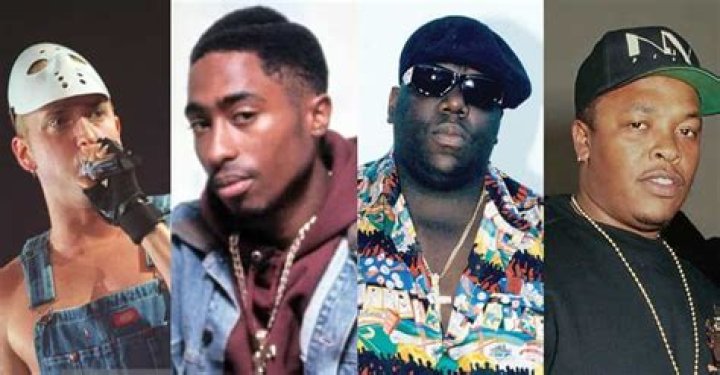
Famous rappers of the 1990s were influential figures in the music industry, shaping the sound and culture of hip-hop.
During this decade, hip-hop evolved from an underground genre to a mainstream phenomenon, and rappers such as Tupac Shakur, The Notorious B.I.G., Snoop Dogg, and Dr. Dre became household names.
These artists pushed the boundaries of the genre, experimenting with new sounds and styles, and their music continues to be celebrated and influential today.
The famous rappers of the 1990s helped to define the sound and culture of hip-hop, and their influence can still be heard in today's music.
Here are some of the most famous rappers of the 1990s:
- Tupac Shakur
- The Notorious B.I.G.
- Snoop Dogg
- Dr. Dre
- Jay-Z
- Nas
- Wu-Tang Clan
- Outkast
- A Tribe Called Quest
- De La Soul
Famous Rappers of the 1990s
The famous rappers of the 1990s were influential figures in the music industry, shaping the sound and culture of hip-hop. Six key aspects that contributed to their fame and lasting impact include:
- Lyrical prowess: Rappers such as Tupac Shakur and Nas were known for their intelligent and thought-provoking lyrics, which often addressed social and political issues.
- Musical innovation: Artists like Dr. Dre and Snoop Dogg experimented with new sounds and styles, blending hip-hop with other genres such as funk and soul.
- Cultural impact: Rappers of the 1990s became cultural icons, influencing fashion, language, and popular culture.
- Business savvy: Many rappers successfully parlayed their music careers into other ventures, such as clothing lines and film.
- Authenticity: Rappers of this era were known for their authenticity and willingness to express their true selves through their music.
- Controversy: The 1990s rap scene was often marked by controversy, with rivalries between rappers and incidents of violence.
These six aspects combined to make the famous rappers of the 1990s some of the most influential and iconic figures in music history. Their music continues to be celebrated and enjoyed by fans around the world.
Personal Details and Bio Data of Famous Rappers of the 1990s| Rapper | Birth Name | Born | Died ||---|---|---|---|| Tupac Shakur | Lesane Parish Crooks | June 16, 1971 | September 13, 1996 || The Notorious B.I.G. | Christopher George Latore Wallace | May 21, 1972 | March 9, 1997 || Snoop Dogg | Calvin Cordozar Broadus Jr. | October 20, 1971 | || Dr. Dre | Andre Romelle Young | February 18, 1965 | || Jay-Z | Shawn Corey Carter | December 4, 1969 | || Nas | Nasir bin Olu Dara Jones | September 14, 1973 | |Lyrical prowess
Lyrical prowess was a defining characteristic of many famous rappers of the 1990s. Rappers such as Tupac Shakur and Nas were known for their intelligent and thought-provoking lyrics, which often addressed social and political issues.
This lyrical prowess was an important factor in the rise of hip-hop as a genre that could speak to the experiences and concerns of everyday people. Rappers were able to use their music to raise awareness of important issues, such as poverty, violence, and racism.
The lyrical prowess of the famous rappers of the 1990s continues to inspire and influence artists today. Rappers such as Kendrick Lamar, J. Cole, and Nicki Minaj have all been praised for their intelligent and thought-provoking lyrics.
Lyrical prowess is an essential component of hip-hop music. It allows rappers to express their creativity and to connect with their audience on a personal level.
Musical innovation
Musical innovation was a key factor in the rise of famous rappers in the 1990s. Artists like Dr. Dre and Snoop Dogg experimented with new sounds and styles, blending hip-hop with other genres such as funk and soul.
This musical innovation helped to broaden the appeal of hip-hop, making it more accessible to a wider audience. It also helped to create a more diverse and dynamic musical landscape.
Dr. Dre's album "The Chronic" (1992) is a prime example of this musical innovation. The album blended hip-hop with G-funk, a subgenre of hip-hop that is characterized by its slow tempo, smooth sound, and heavy use of synthesizers.
Snoop Dogg's album "Doggystyle" (1993) is another example of this musical innovation. The album blended hip-hop with funk and soul, creating a unique and distinctive sound.
The musical innovation of famous rappers in the 1990s continues to influence hip-hop music today. Many contemporary rappers have adopted and expanded upon the innovative sounds and styles of the 1990s.
Musical innovation is an essential component of hip-hop music. It allows rappers to express their creativity and to connect with their audience on a personal level.
Cultural impact
The cultural impact of famous rappers in the 1990s was profound and far-reaching. Rappers became cultural icons, influencing fashion, language, and popular culture.
This cultural impact was due in part to the visibility and popularity of rappers in the media. Rappers were featured in magazines, on television, and in films. They were also endorsed by major brands and products.
Rappers used their platform to promote their own unique style of dress, which often included baggy clothes, sneakers, and jewelry. They also popularized new slang terms and phrases, which were adopted by young people around the world.
The cultural impact of famous rappers in the 1990s is still felt today. Rappers continue to be influential figures in fashion, language, and popular culture.
For example, the fashion style of famous rappers in the 1990s, such as baggy clothes and sneakers, is still popular today. Rappers also continue to popularize new slang terms and phrases.
The cultural impact of famous rappers in the 1990s is a significant component of their fame and lasting legacy. Rappers were able to use their music and their platform to influence popular culture in a positive way.
Business savvy
The business savvy of famous rappers in the 1990s was another key factor in their success. Many rappers were able to successfully parlay their music careers into other ventures, such as clothing lines and film.
- Entrepreneurial ventures: Rappers such as Jay-Z and P. Diddy launched their own successful clothing lines, Rocawear and Sean John, respectively.
- Film and television: Rappers such as Ice Cube and Queen Latifah starred in successful films and television shows.
- Business investments: Rappers such as Dr. Dre and Snoop Dogg invested their earnings in a variety of businesses, including real estate and technology.
The business savvy of famous rappers in the 1990s was a significant factor in their long-term success. By diversifying their income streams, they were able to build financial security and continue to grow their wealth.
Authenticity
Authenticity was a defining characteristic of famous rappers in the 1990s. Rappers such as Tupac Shakur and Nas were known for their willingness to express their true selves and their experiences through their music.
This authenticity was a key factor in the rise of hip-hop as a genre that could speak to the experiences of everyday people. Rappers were able to use their music to express their thoughts and feelings about social and political issues, as well as their personal struggles and triumphs.
The authenticity of famous rappers in the 1990s continues to inspire and influence artists today. Rappers such as Kendrick Lamar and J. Cole have been praised for their willingness to be authentic and to speak their minds.
Authenticity is an essential component of hip-hop music. It allows rappers to connect with their audience on a personal level and to make a real impact on the world.
Controversy
The 1990s rap scene was often marked by controversy, with rivalries between rappers and incidents of violence. This controversy was due in part to the rise of gangsta rap, a subgenre of hip-hop that often glorified violence and crime. Some of the most famous rappers of the 1990s, such as Tupac Shakur and The Notorious B.I.G., were involved in rivalries that led to their deaths.
- Media attention: The media often sensationalized the rivalries between rappers, which helped to fuel the controversy. For example, the East Coast-West Coast rivalry between Tupac Shakur and The Notorious B.I.G. was covered extensively by the media, which helped to make it one of the most famous rivalries in hip-hop history.
- Gang affiliation: Many rappers in the 1990s were affiliated with gangs, which contributed to the violence and controversy surrounding the rap scene. For example, Tupac Shakur was a member of the Crips, while The Notorious B.I.G. was a member of the Bloods.
- Lyrical content: The lyrical content of gangsta rap often glorified violence and crime, which contributed to the controversy surrounding the genre. For example, Tupac Shakur's song "Hit 'Em Up" is a diss track that threatens violence against his rivals.
The controversy surrounding the 1990s rap scene had a significant impact on the genre. It led to increased scrutiny of rap music by the media and law enforcement. It also contributed to the rise of alternative forms of hip-hop, such as conscious rap and backpack rap.
FAQs About Famous Rappers of the 1990s
This section provides answers to frequently asked questions about famous rappers of the 1990s.
Question 1: Who are some of the most famous rappers of the 1990s?
Answer: Some of the most famous rappers of the 1990s include Tupac Shakur, The Notorious B.I.G., Snoop Dogg, Dr. Dre, Jay-Z, Nas, Wu-Tang Clan, Outkast, A Tribe Called Quest, and De La Soul.
Question 2: What factors contributed to the fame of rappers in the 1990s?
Answer: Factors that contributed to the fame of rappers in the 1990s include lyrical prowess, musical innovation, cultural impact, business savvy, authenticity, and controversy.
Question 3: What was the impact of famous rappers in the 1990s on popular culture?
Answer: Famous rappers in the 1990s had a significant impact on popular culture, influencing fashion, language, and music.
Question 4: How did the business savvy of famous rappers in the 1990s contribute to their success?
Answer: The business savvy of famous rappers in the 1990s allowed them to parlay their music careers into other ventures, such as clothing lines and film, which contributed to their long-term success and wealth.
Question 5: What role did authenticity play in the success of famous rappers in the 1990s?
Answer: Authenticity was a key factor in the success of famous rappers in the 1990s, as it allowed them to connect with their audience on a personal level and to make a real impact on the world.
Question 6: How did the controversy surrounding the 1990s rap scene impact the genre?
Answer: The controversy surrounding the 1990s rap scene, including rivalries between rappers and incidents of violence, led to increased scrutiny of rap music by the media and law enforcement, and contributed to the rise of alternative forms of hip-hop.
Summary: Famous rappers of the 1990s were influential figures who shaped the sound and culture of hip-hop. Factors such as lyrical prowess, musical innovation, cultural impact, business savvy, authenticity, and controversy contributed to their fame and lasting impact.
Transition to the next article section: Please note that this is the end of the FAQs section. The next section will explore the impact of famous rappers of the 1990s on contemporary hip-hop.
Tips for Aspiring Rappers
The famous rappers of the 1990s provide valuable lessons for aspiring rappers who seek to achieve success and longevity in the music industry.
Tip 1: Develop Lyrical Prowess
Study the lyrics of renowned rappers like Tupac Shakur and Nas to learn the art of crafting intelligent and thought-provoking lyrics. Focus on delivering meaningful messages and clever wordplay to captivate listeners.
Tip 2: Embrace Musical Innovation
Follow the example of Dr. Dre and Snoop Dogg, who experimented with new sounds and genres. Don't be afraid to blend hip-hop with other musical styles to create a unique and distinctive sound that sets you apart.
Tip 3: Build a Cultural Impact
Rappers like Jay-Z and Queen Latifah leveraged their music to influence fashion, language, and popular culture. Consider how your music can make a positive impact on society and contribute to cultural movements.
Tip 4: Cultivate Business Savvy
Learn from the entrepreneurial ventures of rappers like P. Diddy and Ice Cube. Explore opportunities to expand your brand through clothing lines, film, or other business investments to ensure financial stability and long-term success.
Tip 5: Maintain Authenticity
Stay true to yourself and your experiences, as exemplified by Tupac Shakur and The Notorious B.I.G. Authenticity allows you to connect deeply with your audience and build a loyal fanbase that resonates with your genuine expression.
Summary: By incorporating these tips into your approach, aspiring rappers can emulate the success of the famous rappers of the 1990s. Remember to focus on lyrical prowess, musical innovation, cultural impact, business savvy, and authenticity to establish a lasting legacy in the music industry.
Transition to the conclusion: These tips provide a roadmap for aspiring rappers to navigate the challenges and achieve the success they seek in the competitive world of hip-hop music.
Conclusion
The famous rappers of the 1990s left an indelible mark on the music industry, shaping the sound, culture, and business of hip-hop. Their lyrical prowess, musical innovation, cultural impact, business savvy, authenticity, and willingness to push boundaries continue to inspire and influence artists today.
As we reflect on the legacy of these iconic rappers, it is clear that their impact extends far beyond the music they created. They used their platform to address social and political issues, challenge norms, and empower marginalized communities. Their music became a soundtrack for a generation, and their stories continue to resonate with fans around the world.
Charli Damelio Bf
Actresses Of The 60s
Miles Brown Dad
Rappers of the '90s Where are they now? Gallery
15 Most Influential Rap Producers of the '90s
10 Rap Songs That Prove The 90s Were A Rapper's Paradise