
How To Get Audio On Screen Recording Facetime
By Ava White
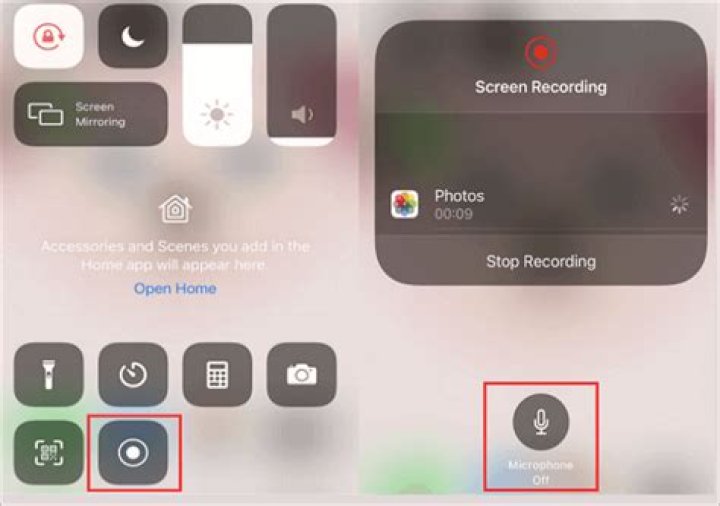
Screen recording FaceTime with audio enables users to capture both the visual and auditory components of their FaceTime calls, allowing them to preserve important conversations, demonstrations, or memorable moments.
This feature is particularly beneficial for:
- Educational purposes: Recording lectures, tutorials, or online lessons for future reference or sharing with students.
- Business meetings: Documenting important discussions, presentations, or brainstorming sessions for future reference or follow-up.
- Personal memories: Preserving special moments, such as catching up with loved ones or celebrating milestones.
To achieve this, you'll need to enable screen recording with audio on your device. Here's how:
- Open the FaceTime app and start a call.
- Swipe up from the bottom of the screen to access the Control Center.
- Long-press the screen recording button (which looks like a circle inside a circle) and tap the microphone icon to enable audio recording.
- Tap the screen recording button again to start recording.
Your screen recording, including the audio, will be saved to your device's Photos app once you end the call.
How to Get Audio on Screen Recording FaceTime
Screen recording FaceTime with audio is a valuable feature for preserving important conversations, demonstrations, or memorable moments. Here are six key aspects to consider:
- Compatibility: Ensure your device supports screen recording with audio.
- Preparation: Enable audio recording in the Control Center before starting a FaceTime call.
- Microphone: Use a high-quality microphone for clear audio.
- Storage: Screen recordings with audio can consume significant storage space.
- Privacy: Be mindful of privacy concerns when recording FaceTime calls.
- Sharing: Share your screen recordings securely with others.
These aspects are interconnected. For instance, ensuring compatibility and enabling audio recording are crucial for successful screen recording. Similarly, using a good microphone and being aware of storage limitations can enhance the quality and practicality of your recordings. Understanding privacy implications and sharing recordings responsibly are essential for maintaining confidentiality and protecting personal information.
Compatibility
Ensuring compatibility is a crucial step in successfully capturing audio during screen recording on FaceTime. Compatibility refers to the capability of your device to perform the desired task. In this context, it means that your device must have the necessary hardware and software to record both the visual and auditory components of a FaceTime call.
Most modern smartphones and tablets support screen recording with audio. However, it's always advisable to check your device's specifications or consult the manufacturer's website to confirm compatibility. Attempting to screen record with audio on an incompatible device may result in poor-quality recordings or, in some cases, no audio being captured at all.
Understanding the importance of compatibility empowers you to make informed decisions about your device's capabilities and helps you avoid potential frustrations during the screen recording process. By ensuring compatibility, you can proceed with confidence, knowing that your device is equipped to capture both the visual and auditory aspects of your FaceTime calls.
Preparation
Preparation is a crucial aspect of capturing audio during screen recording on FaceTime. By enabling audio recording in the Control Center before starting a FaceTime call, you ensure that both the visual and auditory components of the call are recorded.
- Control Center: The Control Center is a customizable menu that provides quick access to frequently used settings and features on your device. Enabling audio recording in the Control Center places this functionality at your fingertips, allowing you to effortlessly initiate screen recording with audio whenever needed.
- Convenience: Pre-enabling audio recording eliminates the need to fumble with settings during a FaceTime call, ensuring a seamless and efficient screen recording experience. This is particularly beneficial when recording time-sensitive or important conversations, where every moment counts.
- Consistency: By enabling audio recording as part of your preparation, you establish a consistent approach to screen recording FaceTime calls. This helps ensure that all your recordings include audio, regardless of the context or urgency of the call.
- Quality: Proper preparation allows you to verify that your device's microphone is working correctly and positioned optimally for clear audio capture. This attention to detail ensures high-quality screen recordings that accurately reflect the content of your FaceTime calls.
In summary, preparing by enabling audio recording in the Control Center before starting a FaceTime call is essential for capturing comprehensive and high-quality screen recordings that include both visual and auditory elements.
Microphone
In the context of screen recording FaceTime with audio, the microphone plays a critical role in capturing clear and intelligible audio. A high-quality microphone ensures that the recorded audio is free from background noise, distortion, and other audio artifacts that can detract from the overall quality of the recording.
- Noise Reduction: High-quality microphones are equipped with noise-canceling features that effectively suppress unwanted background noise, such as traffic, wind, or other environmental sounds. This results in cleaner audio recordings that are easier to understand.
- Frequency Response: A microphone's frequency response determines its ability to capture a wide range of audio frequencies. A high-quality microphone will have a wide frequency response, ensuring that all the nuances and subtleties of the human voice are accurately recorded.
- Sensitivity: The sensitivity of a microphone refers to its ability to convert sound waves into electrical signals. A high-quality microphone will have high sensitivity, allowing it to capture even soft or distant sounds clearly.
- Polar Patterns: Microphones have different polar patterns that determine the directionality of their sound pickup. A high-quality microphone will often have multiple polar patterns, allowing you to choose the most appropriate pattern for the recording environment.
Using a high-quality microphone for screen recording FaceTime with audio is essential for producing recordings that are clear, intelligible, and free from distractions. By investing in a good microphone, you can ensure that your FaceTime screen recordings accurately capture the conversations and discussions they contain.
Storage
Understanding the storage implications of screen recording FaceTime with audio is crucial for managing your device's storage effectively. Screen recordings, especially those with audio, can accumulate quickly and occupy a significant amount of storage space on your device. This is because audio data requires more storage space than visual data, and the longer the recording, the larger the file size.
The importance of being aware of storage consumption lies in avoiding potential issues such as running out of storage space, which can hinder your ability to record or save other important data on your device. Additionally, managing storage space efficiently helps optimize your device's performance, ensuring smooth operation and preventing slowdowns or freezing.
To mitigate storage concerns, consider the following practical measures:
- Regularly review and delete unnecessary recordings: Go through your screen recordings and delete any that are no longer needed to free up storage space.
- Use cloud storage services: Store your screen recordings on cloud storage platforms to free up space on your device while keeping your recordings accessible.
- Consider reducing the recording quality: If storage space is a major concern, you can adjust the screen recording settings to reduce the video and audio quality, which will result in smaller file sizes.
By understanding the storage implications of screen recording FaceTime with audio and implementing appropriate storage management strategies, you can ensure that you have sufficient storage space on your device and maintain the optimal performance of your device.
Privacy
Recording FaceTime calls with audio involves capturing both visual and auditory information, which raises important privacy considerations. Understanding and respecting these concerns is essential for ethical and responsible screen recording practices.
One key aspect to consider is consent. Before recording a FaceTime call, it's crucial to obtain explicit consent from all participants. This ensures that they are aware of the recording and have agreed to it. Failing to obtain consent could violate their privacy rights and trust.
Another privacy concern is the potential misuse or unauthorized distribution of recorded calls. Screen recordings containing sensitive or personal information could be shared without the consent of the participants, leading to privacy breaches. It's important to safeguard recorded calls by storing them securely and limiting access to authorized individuals.
By being mindful of privacy concerns and implementing appropriate measures, you can protect the privacy of individuals involved in FaceTime calls and maintain ethical screen recording practices.
Sharing
Sharing screen recordings of FaceTime calls securely is an important aspect of ensuring the privacy and confidentiality of the recorded content. When sharing screen recordings with audio, there is a risk of sensitive or personal information being disclosed unintentionally.
To share screen recordings securely, consider the following best practices:
- Use secure file-sharing platforms: Opt for file-sharing platforms that offer encryption and password protection to ensure that your recordings are protected during transfer and storage.
- Limit access to authorized individuals: Only share your screen recordings with individuals who have a legitimate need to access them. Avoid sharing recordings publicly or on unsecure platforms.
- Remove sensitive information: If your screen recording contains any sensitive information, such as personal data or confidential business discussions, consider editing the recording to remove or blur out that information before sharing it.
By adhering to these best practices, you can minimize the risks associated with sharing screen recordings and protect the privacy of the individuals involved. Secure sharing ensures that your screen recordings are shared only with intended recipients and are not compromised or misused.
Frequently Asked Questions About "How to Get Audio on Screen Recording FaceTime"
This section addresses common questions and concerns regarding screen recording FaceTime with audio, providing concise and informative answers.
Question 1: Why is there no audio in my FaceTime screen recordings?
Answer: Ensure that you have enabled audio recording in the Control Center before starting a FaceTime call. Additionally, verify that your device's microphone is working properly and positioned correctly.
Question 2: Can I screen record FaceTime calls on all devices?
Answer: Most modern smartphones and tablets support screen recording with audio, but it's advisable to check your device's specifications to confirm compatibility.
Question 3: How do I share my FaceTime screen recordings securely?
Answer: Use secure file-sharing platforms that offer encryption and password protection. Limit access to authorized individuals and consider removing sensitive information before sharing.
Question 4: Is it legal to record FaceTime calls?
Answer: The legality of recording FaceTime calls varies depending on your jurisdiction. It's generally advisable to obtain consent from all participants before recording a call.
Question 5: Can I use a third-party app to screen record FaceTime with audio?
Answer: Yes, there are third-party apps available that allow you to screen record FaceTime calls with audio. However, ensure that you select a reputable and secure app.
Question 6: How can I improve the audio quality of my FaceTime screen recordings?
Answer: Use a high-quality microphone, position it close to the sound source, and minimize background noise during recording.
These FAQs provide valuable insights and address common concerns related to screen recording FaceTime with audio. By understanding these aspects, you can effectively capture, share, and manage your FaceTime screen recordings.
...
Screen Recording FaceTime with Audio
Capturing high-quality screen recordings of FaceTime calls with audio requires careful preparation and execution. Here are some valuable tips to help you achieve successful screen recordings:
Tip 1: Ensure Compatibility and Enable Audio Recording
Before initiating a FaceTime call, verify that your device supports screen recording with audio. Additionally, enable audio recording in the Control Center to ensure that both visual and auditory elements are captured during the recording.
Tip 2: Use a High-Quality Microphone
Employ a high-quality microphone to minimize background noise and enhance the clarity of the recorded audio. Position the microphone close to the sound source for optimal audio capture.
Tip 3: Manage Storage Space
Screen recordings with audio can accumulate and occupy significant storage space. Regularly review and delete unnecessary recordings to free up space on your device. Consider using cloud storage platforms to store recordings remotely.
Tip 4: Respect Privacy Concerns
Obtain consent from all participants before recording a FaceTime call to respect their privacy rights. Only share recordings with individuals who have a legitimate need to access them, and consider removing sensitive information before sharing.
Tip 5: Securely Share Recordings
Use secure file-sharing platforms that offer encryption and password protection to ensure the privacy of your recordings during transfer and storage. Limit access to authorized individuals to prevent unauthorized distribution.
Summary
By following these tips and best practices, you can effectively screen record FaceTime calls with audio, capturing both visual and auditory content for various purposes. Remember to prioritize compatibility, audio quality, storage management, privacy considerations, and secure sharing practices to achieve high-quality and responsible screen recordings.
Conclusion
Screen recording FaceTime calls with audio offers a powerful tool for capturing and preserving important conversations, demonstrations, and memorable moments. By understanding the technical aspects, privacy considerations, and best practices outlined in this article, you can effectively utilize this feature to create high-quality screen recordings that accurately reflect the content of your FaceTime calls.
Remember to prioritize compatibility, audio quality, storage management, privacy concerns, and secure sharing practices. By adhering to these guidelines, you can harness the full potential of screen recording FaceTime with audio to enhance your communication, documentation, and personal archiving needs.
Apology Letter To Boyfriend For Being Toxic
Naturi Naughton Age
Bill Burr Father
How to Record FaceTime with Audio Full guide Descriptive Audio
Monitask How to enable screen recording on a mac device
Windows 10 ekran kaydedici