Images Of Most Beautiful Woman In The World
By Michael Gray
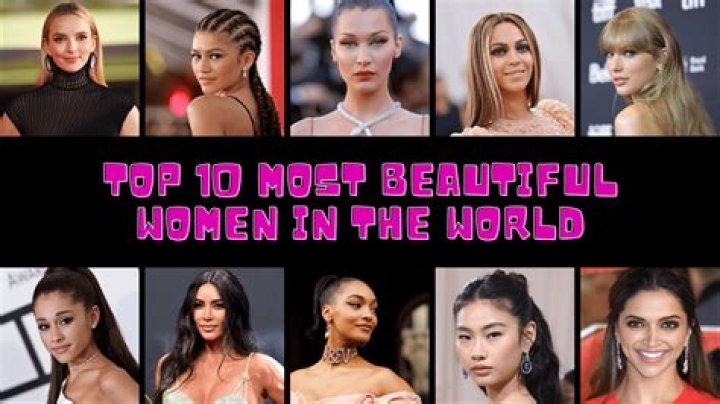
"Images of the most beautiful woman in the world" refer to visually appealing representations of women who are widely considered to possess exceptional physical attractiveness.
Throughout history, images of beautiful women have held cultural significance, serving as subjects of art, literature, and media. These images often reflect societal standards of beauty, which vary across cultures and time periods. In contemporary culture, images of beautiful women are ubiquitous in advertising, fashion, and entertainment, shaping perceptions of beauty and influencing consumer behavior.
The pursuit of physical beauty has been a driving force behind various industries, including cosmetics, skincare, and plastic surgery. However, the narrow and often unattainable beauty ideals portrayed in images can have negative effects on body image and self-esteem, particularly among women.
Images of the Most Beautiful Woman in the World
Images of the most beautiful woman in the world have captivated humans for centuries. These images represent cultural ideals of beauty, influence consumer behavior, and shape perceptions of attractiveness. Here are six key aspects to consider when exploring this topic:
- Cultural Significance: Images of beautiful women have played a significant role in art, literature, and media throughout history.
- Beauty Standards: These images often reflect societal standards of beauty, which vary across cultures and time periods.
- Influence on Perception: Images of beautiful women can shape how we perceive beauty and attractiveness.
- Economic Impact: The pursuit of physical beauty is a driving force behind industries such as cosmetics, skincare, and plastic surgery.
- Body Image and Self-Esteem: Narrow and unattainable beauty ideals can negatively impact body image and self-esteem, particularly among women.
- Media Representation: Images of beautiful women are ubiquitous in advertising, fashion, and entertainment, reinforcing certain beauty standards.
These aspects are interconnected and complex. Cultural ideals of beauty influence the images we see in the media, which in turn shape our perceptions of attractiveness. The pursuit of physical beauty can have both positive and negative effects on individuals and society as a whole. It is important to critically examine the images we see and the messages they convey about beauty.
Cultural Significance
Images of beautiful women have been a source of inspiration and fascination for centuries. They have been depicted in paintings, sculptures, literature, and film, and have served as muses for artists, writers, and musicians. These images have played a significant role in shaping cultural ideals of beauty and have influenced the way we see ourselves and others.
- Art: Images of beautiful women have been a central subject of art for centuries. From the Venus de Milo to Botticelli's Birth of Venus, these images have celebrated the female form and have helped to define our understanding of beauty.
- Literature: Beautiful women have also been a popular subject of literature, from Helen of Troy to Jane Eyre. These characters have inspired countless stories and poems, and have helped to shape our understanding of love, desire, and beauty.
- Media: In recent decades, images of beautiful women have become ubiquitous in the media. From fashion magazines to television shows, these images are constantly bombarding us and shaping our perceptions of beauty.
The cultural significance of images of beautiful women is undeniable. They have played a major role in shaping our understanding of beauty, and have influenced the way we see ourselves and others. It is important to be aware of the power of these images and to critically examine the messages they convey.
Beauty Standards
Images of the most beautiful woman in the world are often used to represent societal standards of beauty. These standards vary across cultures and time periods, and are influenced by a variety of factors, including the media, fashion, and art.
In Western culture, the ideal of female beauty has historically been characterized by a slim figure, fair skin, and long, flowing hair. However, this ideal has changed over time, and today there is a greater diversity of body types and skin tones represented in the media. Despite this progress, there is still a narrow range of beauty standards that are considered acceptable, and many women feel pressure to conform to these standards.
The connection between images of the most beautiful woman in the world and beauty standards is complex and multifaceted. On the one hand, these images can help to shape our understanding of what is considered beautiful. On the other hand, they can also reinforce unrealistic and unattainable beauty standards, which can have a negative impact on women's self-esteem and body image.
It is important to be aware of the power of images and the way they can shape our perceptions of beauty. We should critically examine the images we see in the media and challenge the narrow beauty standards that are often presented as the only acceptable ideal.
Influence on Perception
Images of the most beautiful woman in the world are often used to represent societal standards of beauty. These images can have a significant impact on how we perceive beauty and attractiveness, both in ourselves and others. For example, studies have shown that people are more likely to rate a woman as attractive if she is depicted in an image with other beautiful women. This suggests that our perceptions of beauty are influenced by the images we see around us.
The media plays a major role in shaping our perceptions of beauty. Fashion magazines, television shows, and movies are constantly bombarding us with images of beautiful women. These images can create a narrow and unrealistic ideal of beauty, which can lead to feelings of inadequacy and dissatisfaction in many women.
It is important to be aware of the power of images and the way they can shape our perceptions of beauty. We should critically examine the images we see in the media and challenge the narrow beauty standards that are often presented as the only acceptable ideal.
By understanding the influence of images of beautiful women on our perceptions of beauty, we can take steps to challenge unrealistic beauty standards and promote a more positive and inclusive view of beauty.
Economic Impact
The desire to achieve the beauty standards portrayed in images of the most beautiful women in the world has a significant economic impact. The pursuit of physical beauty drives demand for a wide range of products and services, including:
- Cosmetics: The global cosmetics industry is worth over $500 billion annually. Women (and increasingly, men) purchase cosmetics to enhance their appearance and achieve the beauty ideals they see in the media.
- Skincare: The global skincare industry is worth over $100 billion annually. People purchase skincare products to improve their skin's appearance and achieve a more youthful and radiant complexion.
- Plastic surgery: The global plastic surgery industry is worth over $10 billion annually. People undergo plastic surgery to change their physical appearance and achieve a more idealized body or face.
The economic impact of the pursuit of physical beauty is undeniable. The desire to achieve the beauty standards portrayed in images of the most beautiful women in the world drives demand for a wide range of products and services, generating billions of dollars in revenue each year.
Body Image and Self-Esteem
Images of the most beautiful women in the world are often used to represent societal standards of beauty. However, these standards are often narrow and unattainable, which can lead to negative body image and self-esteem, particularly among women.
- Facet 1: Internalization of Beauty Standards
When women are constantly exposed to images of beautiful women, they may start to internalize these standards and believe that they need to conform to them in order to be considered attractive. This can lead to feelings of inadequacy and dissatisfaction with their own appearance.
- Facet 2: Comparison to Others
Images of beautiful women can also lead to social comparison, which is the tendency to compare oneself to others. When women compare themselves to the idealized images they see in the media, they may feel that they fall short and that they are not as attractive as others.
- Facet 3: Focus on Physical Appearance
Images of beautiful women can also lead to a focus on physical appearance. When women are constantly bombarded with images of women who are considered to be beautiful, they may start to believe that their worth is based on their physical appearance.
- Facet 4: Negative Body Image and Self-Esteem
The internalization of beauty standards, social comparison, and focus on physical appearance can all contribute to negative body image and self-esteem. Women who feel that they do not meet the beauty standards they see in the media may start to feel bad about themselves and their bodies.
It is important to be aware of the impact that images of beautiful women can have on body image and self-esteem. We should critically examine the images we see in the media and challenge the narrow beauty standards that are often presented as the only acceptable ideal.
Media Representation
Images of beautiful women are ubiquitous in advertising, fashion, and entertainment. These images play a significant role in shaping our perceptions of beauty and attractiveness, and they can have a negative impact on body image and self-esteem, particularly among women.
- Facet 1: Advertising
Images of beautiful women are used extensively in advertising to sell products and services. Advertisers know that people are more likely to buy products that are associated with beautiful people. This can lead to unrealistic expectations about what is considered beautiful and can make people feel inadequate if they do not meet these standards.
- Facet 2: Fashion
The fashion industry is another major purveyor of images of beautiful women. Fashion magazines and websites are filled with pictures of models who are tall, thin, and have perfect skin. This can create a narrow and unattainable ideal of beauty that can make people feel bad about themselves if they do not fit into this mold.
- Facet 3: Entertainment
The entertainment industry also plays a role in shaping our perceptions of beauty. Movies and television shows often feature beautiful women in leading roles. This can create the impression that beautiful people are more successful and desirable than others. This can lead to feelings of inadequacy and low self-esteem, particularly among women who do not meet these standards.
The media's representation of beautiful women is a complex issue with a wide range of implications. It is important to be aware of the impact that these images can have on our perceptions of beauty and self-esteem. We should critically examine the images we see in the media and challenge the narrow beauty standards that are often presented as the only acceptable ideal.
FAQs on "Images of the Most Beautiful Woman in the World"
This section addresses frequently asked questions regarding the concept of "images of the most beautiful woman in the world." It provides concise and informative answers to common concerns and misconceptions.
Question 1: What are the cultural implications of images of the most beautiful woman in the world?
Answer: Images of beautiful women have significant cultural implications, reflecting societal standards of beauty and influencing perceptions of attractiveness. Historically, these images have played a role in art, literature, and media, shaping cultural ideals.
Question 2: How do these images impact beauty standards?
Answer: Images of the most beautiful woman often represent societal beauty standards, which vary across cultures and time periods. These standards influence perceptions of attractiveness and can shape the way people view themselves and others.
Question 3: What is the economic impact of the pursuit of physical beauty?
Answer: The desire to achieve societal beauty ideals drives demand for products and services in industries such as cosmetics, skincare, and plastic surgery, generating substantial economic revenue.
Question 4: How do these images affect body image and self-esteem?
Answer: Narrow and unattainable beauty ideals portrayed in images can negatively impact body image and self-esteem, particularly among women. Internalization of these standards can lead to feelings of inadequacy and dissatisfaction with one's appearance.
Question 5: What role does the media play in shaping perceptions of beauty?
Answer: The media, including advertising, fashion, and entertainment, extensively uses images of beautiful women, reinforcing specific beauty standards and potentially creating unrealistic expectations and negative self-perceptions.
Question 6: Why is it important to critically examine these images?
Answer: Critical examination of images of the most beautiful woman in the world allows for identification of narrow beauty standards, challenging unrealistic ideals, and promoting a more diverse and inclusive perspective on beauty.
In conclusion, images of the most beautiful woman in the world hold cultural, economic, and psychological significance. Understanding their impact on beauty standards, body image, and media representation is crucial for fostering a more positive and inclusive view of beauty.
Transition to the next article section: This section explores the historical evolution of beauty standards and their impact on societal perceptions.
Tips on "Images of the Most Beautiful Woman in the World"
Comprehending the significance and implications of "images of the most beautiful woman in the world" empowers individuals to critically evaluate societal standards of beauty and their impact on perceptions. Here are some essential tips to consider:
Tip 1: Recognize the Cultural ContextAcknowledge the cultural factors that shape beauty standards, as they vary across different societies and time periods. Understanding these cultural nuances provides a broader perspective on the concept of beauty.
Tip 2: Examine Media InfluenceCritically analyze the role of media in perpetuating certain beauty ideals. Recognize how advertising, fashion, and entertainment contribute to shaping perceptions of attractiveness.
Tip 3: Challenge Narrow StandardsBe mindful of the unrealistic and often unattainable beauty standards presented in images. Challenge the notion that a specific physical appearance is the sole measure of beauty.
Tip 4: Foster Body PositivityCultivate a positive body image by appreciating your unique physical attributes and focusing on overall health and well-being rather than external validation.
Tip 5: Promote Diversity and InclusivityAdvocate for the representation of diverse beauty standards in media and popular culture. Celebrate the beauty that exists in all shapes, sizes, and backgrounds.
Tip 6: Embrace Natural BeautyValue natural beauty over artificial enhancements. Recognize the beauty in aging, imperfections, and the unique characteristics that make each individual special.
Tip 7: Seek Inner BeautyUnderstand that true beauty extends beyond physical appearance. Focus on developing inner qualities such as kindness, intelligence, and compassion.
By following these tips, individuals can cultivate a more informed and nuanced understanding of beauty, challenge unrealistic standards, and promote a vision of beauty that is inclusive and empowering.
Transition to the article's conclusion: This article highlights the importance of critically examining images of the most beautiful woman in the world and embracing a more comprehensive and inclusive definition of beauty.
Conclusion
Throughout this exploration of "images of the most beautiful woman in the world," we have examined the cultural, economic, and psychological implications of these images. We have seen how they shape beauty standards, influence body image, and are used in media representation.
It is important to critically examine these images and challenge the narrow and often unattainable beauty ideals they present. By doing so, we can promote a more diverse and inclusive view of beauty that celebrates the unique qualities of all individuals.
Jennifer Pfautch Instagram
Quotes From The Vikings
Back Tat
This is the year's 'Most Beautiful' woman in the world
Most Beautiful Women In The World Wallpapers Wallpaper Cave
Most Beautiful Women in the World According to Google