Piercing In Lower Back
By David Jones
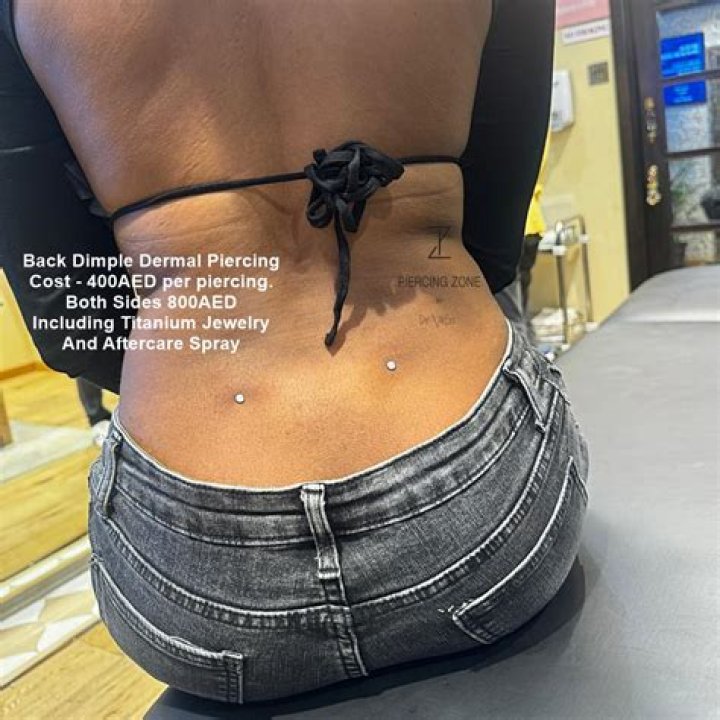
Piercing in lower back, also known as a back dimple piercing, is a body piercing located in the lower back, typically in the center. It is a popular piercing choice due to its unique and edgy appearance. The piercing is usually done with a curved barbell or a banana barbell.
There are several benefits to getting a piercing in lower back. First, it can help to accentuate the natural curve of the lower back. Second, it can be a way to express one's individuality and style. Third, it can be a way to relieve stress and tension.
The history of piercing in lower back dates back to ancient times. In some cultures, it was believed that piercing the lower back could help to ward off evil spirits. In other cultures, it was seen as a sign of beauty and fertility. Today, piercing in lower back is a popular choice for both men and women of all ages.
Piercing in Lower Back
Piercing in lower back, also known as a back dimple piercing, is a popular body piercing with various dimensions and aspects to consider.
- Location: Pierced in the center of the lower back, accentuating its curve.
- Jewelry: Typically adorned with a curved or banana barbell.
- Symbolism: Historically associated with warding off evil spirits and representing beauty.
- Benefits: Expresses individuality, relieves stress, and enhances aesthetics.
- Variations: Can be pierced horizontally or vertically, with different jewelry options.
- Popularity: A popular choice for both men and women, regardless of age.
These key aspects highlight the diverse nature of piercing in lower back, encompassing its physical placement, cultural significance, and personal expression. It serves as a unique and meaningful body modification that can enhance one's appearance and well-being.
Location
The placement of the piercing in the lower back is significant for several reasons:
- Aesthetics: The piercing is positioned to draw attention to the natural curve of the lower back, creating a visually appealing and alluring effect.
- Versatility: The central location allows for various jewelry options, including vertical or horizontal barbells, which can complement different body types and personal styles.
- Cultural Symbolism: In some cultures, piercings in the lower back have been associated with fertility, strength, and protection, adding a layer of cultural significance to the piercing.
- Practicality: The lower back is a relatively discreet location for a piercing, making it suitable for individuals who prefer a more subtle or professional appearance.
Overall, the location of the piercing in the center of the lower back enhances its aesthetic appeal, provides versatility for jewelry choices, carries cultural significance, and offers practicality in terms of visibility.
Jewelry
The choice of jewelry for a piercing in lower back is not merely aesthetic but also functional. Curved barbells and banana barbells are specifically designed to accommodate the unique anatomy of the lower back.
Curved barbells have a gentle curve that follows the natural curvature of the lower back, ensuring a comfortable fit and reducing the risk of migration or rejection. Banana barbells, with their more pronounced curve, provide additional support and stability, making them ideal for larger or heavier jewelry pieces.
The use of curved or banana barbells is crucial for the longevity and well-being of the piercing. Improperly fitted jewelry can cause discomfort, irritation, and even infection. Therefore, it is essential to consult with a reputable piercer who can assess the anatomy of the lower back and recommend the most suitable jewelry for the individual.
In summary, the connection between "Jewelry: Typically adorned with a curved or banana barbell." and "piercing in lower back" underscores the importance of choosing the right jewelry to ensure a safe, comfortable, and aesthetically pleasing piercing experience.
Symbolism
The symbolism associated with piercing in lower back is a fascinating aspect that delves into the cultural and historical significance of this body modification.
- Protection from Evil: In some ancient cultures, piercing the lower back was believed to ward off evil spirits and negative energies. It was seen as a protective measure, safeguarding the individual from harm.
- Fertility and Femininity: In certain societies, piercings in the lower back have been linked to fertility and the feminine principle. The piercing was believed to enhance a woman's ability to bear children and symbolize her reproductive power.
- Beauty and Allure: Piercings in the lower back have also been associated with beauty and allure. The piercing's placement accentuates the natural curves of the body, making it an attractive and sensual adornment.
- Personal Expression: In contemporary times, piercings in the lower back have become a means of personal expression and individuality. It allows individuals to showcase their unique style and make a statement about their identity.
The symbolism associated with piercing in the lower back highlights its multifaceted nature, encompassing cultural beliefs, personal empowerment, and aesthetic appeal. It adds a layer of depth and meaning to this body modification, making it a significant and intriguing form of self-expression.
Benefits
The connection between "Benefits: Expresses individuality, relieves stress, and enhances aesthetics." and "piercing in lower back" underscores the multifaceted nature of this body modification. Piercing in lower back offers a unique combination of personal expression, stress relief, and aesthetic enhancement.
Expresses Individuality: Piercing in lower back allows individuals to showcase their unique style and make a statement about their identity. It is a form of self-expression that empowers individuals to embrace their individuality and stand out from the crowd.
Relieves Stress: Some individuals believe that piercing in lower back can have a stress-relieving effect. The process of getting pierced can release endorphins, which have mood-boosting properties. Additionally, the piercing itself can serve as a tactile reminder of personal strength and resilience.
Enhances Aesthetics: Piercing in lower back can accentuate the natural curves of the body, creating a visually appealing and alluring effect. It can enhance the overall appearance and make individuals feel more confident and attractive.
Understanding the connection between "Benefits: Expresses individuality, relieves stress, and enhances aesthetics." and "piercing in lower back" is crucial for appreciating the full significance of this body modification. It highlights the personal, emotional, and aesthetic benefits that contribute to the popularity and appeal of piercing in lower back.
Variations
The versatility of piercing in lower back lies in its variations, allowing for customization to suit individual preferences and anatomy. The piercing can be placed either horizontally or vertically, creating distinct looks and accommodating different body types.
Horizontal piercings follow the natural curve of the lower back, accentuating its shape and creating a subtle yet alluring effect. Vertical piercings, on the other hand, add a touch of edginess and drama, drawing attention to the vertical line of the spine. The choice between horizontal and vertical placement depends on personal style and the desired aesthetic outcome.
Furthermore, piercing in lower back offers a wide range of jewelry options, enabling individuals to personalize their piercing experience. Curved barbells and banana barbells remain popular choices, providing a comfortable fit and accommodating various jewelry designs. Dermal anchors and surface piercings are other variations that create unique and eye-catching effects.
Understanding the variations in piercing in lower back is crucial for making informed decisions about the piercing's placement and jewelry selection. These variations allow for customization and self-expression, empowering individuals to create a piercing that reflects their unique style.
Popularity
The popularity of piercing in lower back extends to both men and women of all ages, solidifying its position as a widely accepted and appreciated body modification. This popularity can be attributed to several interconnected factors:
Cultural Acceptance: Piercing in lower back has gained widespread cultural acceptance, shedding its once taboo status and becoming a mainstream fashion statement. It is no longer confined to specific demographics or subcultures but embraced by individuals from diverse backgrounds.
Aesthetic Appeal: The piercing's placement in the lower back draws attention to the body's natural curves, creating a visually appealing and alluring effect. It can accentuate the waistline and enhance the overall aesthetics of the body.
Self-Expression: Piercing in lower back provides a means of self-expression and individuality. It allows individuals to showcase their unique style, express their creativity, and make a statement about their identity.
Practical Significance: Understanding the popularity of piercing in lower back is important for several reasons. It reflects the changing cultural attitudes towards body modifications, highlighting their growing acceptance and recognition as a form of self-expression.
Additionally, it underscores the importance of catering to the diverse preferences and needs of clients in the body piercing industry. Piercers must be knowledgeable about the various piercing techniques, jewelry options, and aftercare instructions to ensure a safe and satisfactory experience for individuals seeking piercing in lower back.
Frequently Asked Questions about Piercing in Lower Back
This section addresses common questions and concerns regarding piercing in lower back, providing informative answers to enhance understanding and decision-making.
Question 1: What is the healing time for a piercing in lower back?
The healing time for a piercing in lower back typically ranges from 6 to 8 weeks. Proper aftercare, including regular cleaning and avoiding excessive movement of the piercing, is essential for optimal healing.
Question 2: Is piercing in lower back painful?
The level of pain associated with piercing in lower back can vary depending on individual pain tolerance. Generally, it is considered to be moderately painful due to the sensitive nature of the area. However, the use of numbing agents and proper piercing techniques can minimize discomfort.
Question 3: Can I sleep on my back after getting a piercing in lower back?
It is advisable to avoid sleeping directly on the piercing site during the initial healing period. Sleeping on your side or stomach, with a pillow supporting the piercing, can help reduce pressure and promote healing.
Question 4: What type of jewelry is suitable for a piercing in lower back?
Curved barbells and banana barbells are commonly used for piercing in lower back. These barbells are designed to follow the natural curvature of the lower back, providing comfort and reducing the risk of migration.
Question 5: How do I clean a piercing in lower back?
Regular cleaning is crucial for preventing infection. A saline solution can be used to gently clean the piercing twice a day. Avoid using harsh soaps or chemicals, as they can irritate the piercing.
Question 6: When should I see a doctor about my piercing in lower back?
Seek medical attention if you experience severe pain, redness, swelling, or discharge from the piercing. These could be signs of infection or other complications that require professional care.
understanding these frequently asked questions can help individuals make informed decisions about piercing in lower back, ensuring a safe and positive piercing experience.
Transition to the next article section:
Piercing in Lower Back
Piercing in lower back can be a stylish and meaningful body modification when done correctly. Here are some tips to ensure a safe and successful piercing experience:
Tip 1: Choose a Reputable Piercer
Select a piercer who is licensed, experienced, and operates in a sterile environment. A professional piercer will use appropriate techniques and high-quality jewelry to minimize risks and ensure a safe piercing.
Tip 2: Follow Aftercare Instructions Carefully
Proper aftercare is crucial for healing and preventing infection. Follow the piercer's instructions for cleaning and caring for the piercing, including avoiding harsh soaps, excessive movement, and submerging it in water for prolonged periods.
Tip 3: Avoid Sleeping on the Piercing
During the initial healing period, avoid sleeping directly on the piercing site. Sleep on your side or stomach with a pillow supporting the piercing to reduce pressure and promote healing.
Tip 4: Wear Loose, Breathable Clothing
Tight clothing can irritate the piercing and hinder healing. Opt for loose, breathable fabrics that allow air circulation and minimize friction against the piercing.
Tip 5: Listen to Your Body
Pay attention to how your body responds to the piercing. If you experience severe pain, redness, swelling, or discharge, seek medical attention promptly, as these could be signs of infection or other complications.
Tip 6: Be Patient
Healing a piercing in lower back typically takes several weeks. Be patient and consistent with aftercare, and avoid changing jewelry prematurely. Rushing the healing process can compromise the piercing's health and longevity.
Tip 7: Avoid Excessive Movement
Excessive movement of the piercing can irritate it and prolong healing. Limit strenuous activities and avoid putting undue stress on the piercing site.
Tip 8: Choose Age-Appropriate Jewelry
If you are considering a piercing in lower back for a child, ensure the jewelry is age-appropriate and does not pose a choking or entanglement hazard.
By following these tips, you can increase the likelihood of a safe and successful piercing in lower back. Remember to prioritize hygiene, listen to your body, and seek professional advice when needed.
Transition to the article's conclusion:
Conclusion
Piercing in lower back has gained popularity as a body modification with various dimensions, including its location, symbolism, and personal significance. Understanding these aspects is crucial for making informed decisions and ensuring a safe and successful piercing experience.
When considering piercing in lower back, it is essential to prioritize safety and proper aftercare to minimize risks and promote optimal healing. Choosing a reputable piercer, following aftercare instructions diligently, and listening to your body's response are key to a positive outcome.
Piercing in lower back can be a meaningful and stylish expression of individuality. By embracing its cultural significance and personal symbolism, individuals can enhance their self-expression and body aesthetics.
Designs For Hand Tattoos For Female
How Tall Is Jtt
How Much Money Does Supermariologan Make
Back Piercings Page 4
Pin by Sweet&Sour on P I E R C I N G Neck piercing, Microdermal
Corset Piercing Images Piercing Aftercare, Dermal Piercing, Body