Slang Of The 1980s
By William Harris
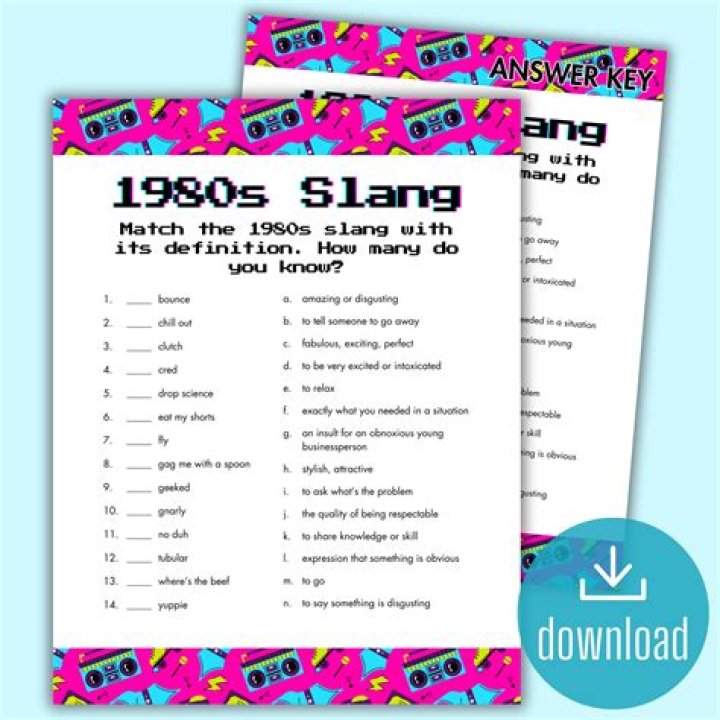
Slang of the 1980s refers to the unique vocabulary and expressions that emerged and gained popularity during the 1980s.
This slang played a significant role in shaping the cultural identity of the decade, reflecting the social, economic, and technological changes that were taking place. It provided a means for individuals to express themselves in a way that was both distinctive and relatable, fostering a sense of community and belonging among those who used it.
Exploring the slang of the 1980s offers a fascinating glimpse into the past, allowing us to understand the cultural landscape of the time and appreciate the creativity and expressiveness of its people.
Slang of the 1980s
Slang of the 1980s encompasses a rich tapestry of words and phrases that emerged during this vibrant decade, reflecting the cultural, social, and technological shifts of the time. These expressions transcended geographical boundaries and social groups, uniting individuals through a shared vocabulary.
- Originality: 1980s slang was characterized by its unique and creative expressions, often derived from popular culture, fashion, and technological advancements.
- Social Commentary: This slang served as a form of social commentary, reflecting the attitudes and values of the era, from the rise of consumerism to the growing influence of technology.
- Expression of Identity: Slang provided a means for individuals to express their individuality and align themselves with particular groups or subcultures, fostering a sense of community.
- Cultural Impact: 1980s slang left a lasting impact on popular culture, with many terms and phrases still used today.
- Regional Variations: While slang terms often transcended geographical boundaries, regional variations and nuances also existed, reflecting the diverse cultural landscape of the decade.
- Influence on Language: Slang played a role in shaping the evolution of the English language, contributing new words and phrases to the lexicon.
- Historical Significance: Slang of the 1980s serves as a valuable historical record, providing insights into the cultural and social dynamics of the era.
In conclusion, the slang of the 1980s was not merely a collection of words but a vibrant expression of the decade's cultural identity. It transcended generations and continues to influence language and popular culture to this day, offering a fascinating glimpse into the past and the ever-evolving nature of human communication.
Originality
The originality of 1980s slang stems from its close connection to the cultural landscape of the time. The decade witnessed a surge in popular culture, with the rise of MTV, the popularity of blockbuster movies, and the emergence of new fashion trends. These cultural influences provided a fertile ground for the creation of new slang terms and phrases.
For instance, the popularity of breakdancing led to the emergence of terms like "" and "popping," while the rise of hip-hop music introduced words like "phat" and "fresh" into the mainstream. Similarly, advancements in technology, such as the introduction of personal computers and video games, gave rise to terms like "nerd" and "game over."
This originality was not limited to specific groups or subcultures but permeated the entire decade, reflecting the overall cultural ethos of creativity and self-expression. The slang of the 1980s thus serves as a testament to the vibrant and dynamic nature of the era.
Social Commentary
The slang of the 1980s was not merely a collection of words and phrases; it was a reflection of the social and cultural landscape of the time. This slang served as a form of social commentary, providing insights into the attitudes, values, and beliefs of the people who used it.
For example, the rise of consumerism in the 1980s led to the emergence of slang terms such as "yuppie" and "mall rat." These terms captured the materialistic and individualistic ethos of the era, reflecting the growing emphasis on wealth and status.
Similarly, the growing influence of technology in the 1980s gave rise to slang terms such as "computer nerd" and "tech junkie." These terms reflected the fascination with and the rapid adoption of new technologies, which were transforming various aspects of life.
The slang of the 1980s thus served as a valuable barometer of the social and cultural changes taking place during that time. It provides a unique window into the minds and hearts of the people who lived through this transformative era.
Expression of Identity
The slang of the 1980s played a crucial role in facilitating the expression of identity and fostering a sense of community among individuals. It provided a shared language that allowed people to identify with particular groups or subcultures, creating a sense of belonging and connection.
For instance, the rise of hip-hop culture in the 1980s led to the emergence of a unique slang associated with this subculture. Terms like "B-boy," "fly," and "phat" served as markers of identity for those who identified with the hip-hop movement. Similarly, the popularity of skateboarding in the 1980s gave rise to a distinct slang vocabulary that skaters used to communicate and express their shared experiences and values.
The expression of identity through slang was not limited to specific subcultures but was a widespread phenomenon in the 1980s. Individuals used slang to align themselves with particular social groups, express their individuality, and create a sense of community with like-minded people.
Cultural Impact
The cultural impact of 1980s slang cannot be overstated. Its influence extends far beyond the decade itself, with many terms and phrases still widely used today. This enduring legacy is a testament to the creativity and expressiveness of the era, as well as its profound impact on popular culture.
The slang of the 1980s permeated various aspects of popular culture, from music and movies to fashion and television. Terms like "rad," "awesome," and "gag me with a spoon" became part of the everyday vocabulary of people from all walks of life. These expressions captured the zeitgeist of the decade, reflecting its optimism, materialism, and technological advancements.
The enduring popularity of 1980s slang can be attributed to several factors. Firstly, many of these terms and phrases filled a linguistic gap, providing new and concise ways to express oneself. Secondly, the widespread adoption of 1980s slang in popular culture helped to legitimize and popularize these expressions. Finally, the nostalgic appeal of the 1980s has contributed to the continued use of its slang, as people seek to recapture the spirit and energy of that era.
Understanding the cultural impact of 1980s slang is not merely an academic exercise; it provides valuable insights into the evolution of language and popular culture. By examining the origins, usage, and lasting influence of these terms and phrases, we gain a deeper appreciation for the creativity and expressiveness of the human spirit.
Regional Variations
The slang of the 1980s was not a monolithic entity but rather a diverse collection of regional variations and nuances. This linguistic diversity reflected the rich cultural landscape of the United States during this decade, with different regions developing their own unique slang terms and expressions.
One of the most striking examples of regional variation in 1980s slang is the term "wicked." In the Boston area, "wicked" was commonly used to mean "very" or "extremely." However, in other parts of the country, this term was rarely used or had a different meaning. Similarly, the term "hella" emerged in California during the 1980s and was used to emphasize something, but it was not widely used in other regions.
These regional variations in slang provide valuable insights into the cultural and social dynamics of the 1980s. They reflect the diversity of experiences and perspectives that existed across the country, and they serve as a reminder that language is a fluid and ever-changing phenomenon.
Understanding the regional variations in 1980s slang is also important for researchers and historians seeking to accurately portray the culture of this decade. By incorporating these regional nuances into their work, they can create a more authentic and comprehensive representation of the past.
Influence on Language
The slang of the 1980s played a significant role in shaping the evolution of the English language. It introduced a wealth of new words and phrases into the lexicon, many of which have become commonplace in everyday speech.
One of the most notable contributions of 1980s slang to the English language is the term "radical." Originally used to describe something extreme or unconventional, "radical" has since become a more general term for "cool" or "excellent." Another example is the term "awesome," which was popularized in the 1980s and is now widely used to express admiration or approval.
The influence of 1980s slang can also be seen in the way it has shaped the meaning of existing words. For example, the term "sick" was originally used to describe someone who was ill, but in the 1980s it began to be used to mean "cool" or "excellent." This new meaning of "sick" has persisted in modern English, and it is now commonly used by young people to express their approval of something.
The influence of 1980s slang on the English language is a testament to the power of language to evolve and adapt to changing cultural norms. The new words and phrases that emerged during this decade have enriched the English language, making it more expressive and dynamic.
Historical Significance
The slang of the 1980s is not merely a collection of words and phrases; it is a valuable historical record that provides unique insights into the cultural and social dynamics of the era. By examining the slang of this decade, we can gain a deeper understanding of the values, beliefs, and attitudes of the people who lived through it.
For instance, the widespread use of terms like "radical," "awesome," and "gag me with a spoon" reflects the optimistic and materialistic ethos of the 1980s. These terms capture the exuberance and consumerism that characterized the decade, providing a glimpse into the mindset of the people who embraced it.
Furthermore, the emergence of slang terms associated with specific subcultures, such as "breakdancing" and "hip-hop," highlights the cultural diversity of the 1980s. These terms not only provide insights into the unique identities and experiences of these subcultures but also serve as a reminder of the social and cultural changes that were taking place during this time.
Understanding the historical significance of 1980s slang is not merely an academic exercise; it is essential for anyone seeking to gain a deeper understanding of this transformative decade. By examining the slang of the era, we can gain valuable insights into the cultural, social, and linguistic forces that shaped it.
FAQs on Slang of the 1980s
This section addresses commonly asked questions and misconceptions regarding slang of the 1980s, providing concise and informative responses.
Question 1: What are the defining characteristics of 1980s slang?
Answer: 1980s slang is characterized by its creativity, originality, and close association with the cultural landscape of the time. It often emerged from popular culture, fashion, and technological advancements, reflecting the values and attitudes of the era.
Question 2: How did 1980s slang contribute to the evolution of the English language?
Answer: Slang of the 1980s introduced numerous new words and phrases into the English lexicon, many of which have become commonplace in everyday speech. It also influenced the meaning of existing words, adding new layers of expression and nuance to the language.
Question 3: What factors influenced the regional variations in 1980s slang?
Answer: Regional variations in 1980s slang stemmed from the diverse cultural landscape of the United States during the decade. Different regions developed their unique slang terms and expressions, reflecting local experiences, perspectives, and social dynamics.
Question 4: What role did 1980s slang play in shaping cultural identity?
Answer: Slang of the 1980s served as a means of expressing individuality and aligning with particular groups or subcultures. It fostered a sense of community among those who shared similar slang, creating shared linguistic bonds and cultural connections.
Question 5: How can we use 1980s slang to gain insights into the era's social and cultural dynamics?
Answer: Examining the slang of the 1980s provides valuable insights into the social and cultural values, beliefs, and attitudes of the people who lived during that time. It offers a glimpse into their perspectives on various aspects of life, from popular culture to technology and social change.
Question 6: What is the significance of preserving and studying 1980s slang?
Answer: Preserving and studying 1980s slang is essential for understanding the cultural and linguistic history of the English language. It provides a unique lens through which we can explore the evolution of language, the social and cultural dynamics of a specific era, and the enduring impact of slang on our vocabulary.
By understanding the origins, usage, and cultural significance of 1980s slang, we gain a deeper appreciation for the richness and diversity of human language and its close connection to the social and cultural contexts in which it is used.
...
Understanding Slang of the 1980s
Exploring the slang of the 1980s offers a fascinating glimpse into the cultural landscape of the era. To fully grasp the significance and nuances of this unique vocabulary, consider the following tips:
Tip 1: Embrace the Context: Immerse yourself in the cultural landscape of the 1980s to understand the origins and meanings of slang terms. Examine popular culture, fashion trends, and technological advancements that influenced their creation.
Tip 2: Trace the Etymology: Investigate the roots of slang terms to uncover their historical evolution. Explore their origins in various subcultures, regional dialects, or popular media, which can provide valuable insights into their usage and cultural significance.
Tip 3: Consider Regional Variations: Recognize that slang terms often varied across different regions of the United States. Explore these variations to gain a comprehensive understanding of the diverse cultural expressions of the era.
Tip 4: Analyze the Social Commentary: Examine how slang terms reflected the social and cultural values of the 1980s. Analyze their use as a form of social commentary, expressing attitudes towards consumerism, technology, and other societal changes.
Tip 5: Explore the Cultural Impact: Assess the lasting impact of 1980s slang on popular culture. Identify terms and phrases that have become ingrained in everyday speech or continue to influence contemporary language and expressions.
Tip 6: Utilize Historical Resources: Consult historical archives, popular media, and literature from the 1980s to gain a deeper understanding of the context and usage of slang terms. These resources provide valuable insights into the era's linguistic landscape.
By following these tips, you will gain a more comprehensive understanding of the slang of the 1980s, its origins, cultural significance, and lasting impact on language.
...
Conclusion
Our exploration of the slang of the 1980s has revealed its significance as a cultural artifact, reflecting the social, cultural, and linguistic dynamics of the era. This unique vocabulary provides valuable insights into the values, beliefs, and experiences of the people who lived during that time.
The slang of the 1980s not only shaped the language of the decade but also left a lasting impact on popular culture and the English language itself. Understanding this slang allows us to connect with the past, appreciate the creativity and expressiveness of human language, and gain a deeper understanding of the cultural forces that have shaped our world.
Famous Black Actors From The 90s
Nineties Rock Bands
Thinking About U Text Messages
This is your guide to learning 80s slang Daniel Swanick
1980s Slang Terminology Slang words, 1980s, American slang
1980s Slang Chart 80s terms Slang, 1980s, 80s language