
Stone Cold Houses: The Ultimate Guide To Staying Cozy
By William Harris
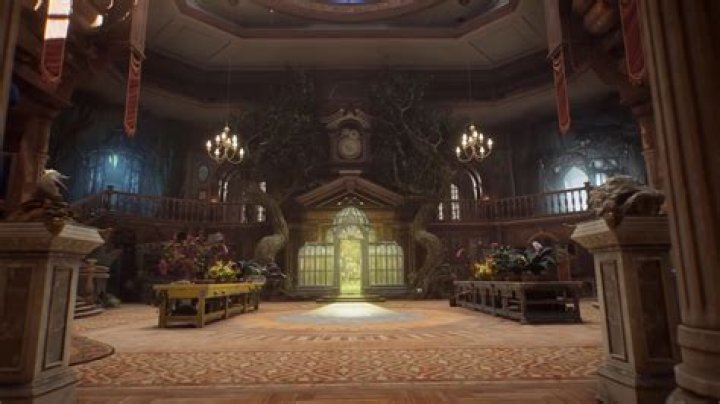
What is a stone-cold house?
A stone-cold house is a house that is very cold, typically because it is made of stone or brick and has poor insulation. Stone and brick are both materials that conduct heat well, so they can quickly transfer heat from the inside of the house to the outside. This can make it difficult to keep a stone-cold house warm, even in the summer. Stone-cold houses can be uncomfortable to live in, and they can also be more expensive to heat than houses made of other materials.
There are a number of ways to make a stone-cold house more comfortable to live in. One way is to add insulation to the walls and roof. Insulation is a material that helps to prevent heat from escaping from the house. Another way to make a stone-cold house more comfortable is to install a heating system. A heating system can help to keep the house warm during the winter months.
Stone-cold houses can be charming and unique, but they can also be challenging to live in. If you are considering buying a stone-cold house, be sure to do your research and make sure that you are prepared for the challenges of living in a cold house.
Importance of Stone Cold Houses
Stone-cold houses have a number of benefits. They are typically very durable and can withstand extreme weather conditions. They are also fire-resistant and can provide a safe haven in the event of a fire. In addition, stone-cold houses can be very energy-efficient, as they retain heat well.
Key Aspects of Stone Cold Houses
There are a number of key aspects to consider when discussing stone-cold houses. These include:
- Construction: Stone-cold houses are typically constructed of stone or brick, which are both excellent conductors of heat. This means that stone-cold houses can quickly lose heat in the winter and gain heat in the summer.
- Insulation: Insulation is a material that helps to prevent heat from escaping from a house. Stone-cold houses typically have poor insulation, which can make them difficult to keep warm in the winter.
- Heating systems: Heating systems are used to keep houses warm in the winter. Stone-cold houses typically require more powerful heating systems than houses made of other materials.
- Energy efficiency: Stone-cold houses can be energy-efficient if they are properly insulated and have a good heating system. However, they can also be energy-inefficient if they are not properly insulated or have a poor heating system.
Historical Context of Stone Cold Houses
Stone-cold houses have been built for centuries. The earliest stone-cold houses were built in the Middle Ages, and they were typically used as castles or fortresses. These houses were built to withstand attacks from enemies, and they were often very cold and uncomfortable to live in.
In the 18th and 19th centuries, stone-cold houses became more popular as homes for wealthy families. These houses were often built in the Georgian or Victorian style, and they were typically large and spacious. However, they were still very cold and uncomfortable to live in, and they required a lot of fuel to heat.
In the 20th century, stone-cold houses began to fall out of favor. This was due in part to the development of new building materials and heating systems. Today, stone-cold houses are still built, but they are typically used as vacation homes or second homes.
Frequently Asked Questions about Stone Cold Houses
This section addresses common questions and misconceptions about stone cold houses, providing concise and informative answers.
Question 1: Are stone cold houses energy-efficient?
The energy efficiency of a stone cold house depends on several factors, including the level of insulation and the efficiency of the heating system. A well-insulated stone cold house with an efficient heating system can be energy-efficient, but a poorly insulated stone cold house with an inefficient heating system can be energy-inefficient.
Question 2: Are stone cold houses difficult to maintain?
Stone cold houses require more maintenance than houses made of other materials. The stone or brick exterior of a stone cold house can be susceptible to damage from moisture and extreme temperatures. In addition, the mortar between the stones or bricks can deteriorate over time. Regular maintenance is necessary to keep a stone cold house in good condition.
Summary: Stone cold houses have unique characteristics and considerations compared to houses made of other materials. Understanding these factors can help homeowners make informed decisions about the construction, maintenance, and energy efficiency of stone cold houses.
Conclusion
Stone cold houses are unique and fascinating structures that offer both advantages and challenges. Their historical significance, durability, and energy efficiency make them worthy of consideration for those seeking a distinctive and resilient home. However, it is essential to be aware of the potential drawbacks, such as the need for proper insulation and maintenance, before making a decision.
By understanding the characteristics and requirements of stone cold houses, homeowners can make informed choices about their construction, maintenance, and energy efficiency. With careful planning and attention to detail, stone cold houses can provide a comfortable and charming living space for generations to come.
Joanne Shaw Taylor's Wife: Everything You Need To Know
Karisa Doyle Car Accident - Tragic Event And Aftermath
Zac Bryan Cheating Allegations: Uncovering The Truth