
Unlocking Artistic Insights And Social Impact
By Michael Gray
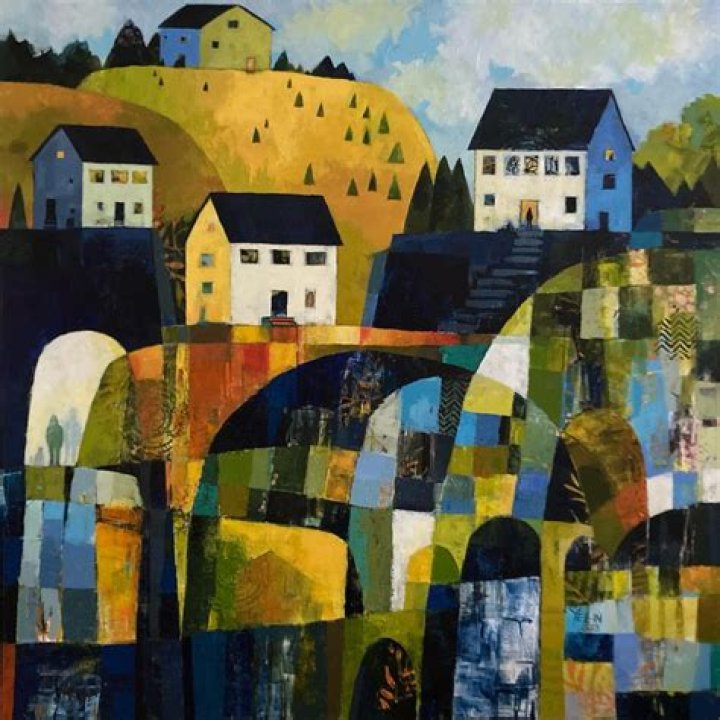
Patricia Azarcoya Schneider is a Mexican-American artist and activist who is known for her work in the field of public art. She was born in 1951 in Mexico City, and she currently lives and works in San Antonio, Texas.
Patricia Azarcoya Schneider's work often explores the themes of identity, culture, and community. She has created a number of public art projects that have been installed in cities across the United States, including the "River of Dreams" in San Antonio, Texas, and the "Border Cantos" in El Paso, Texas. These projects have been praised for their beauty and their ability to bring people together.
In addition to her work as an artist, Patricia Azarcoya Schneider is also a vocal advocate for social justice. She has spoken out against racism, sexism, and homophobia, and she has worked to promote the rights of immigrants and refugees. She is a recipient of the National Medal of Arts, and she has been inducted into the National Women's Hall of Fame.
Patricia Azarcoya Schneider Age
Patricia Azarcoya Schneider is a Mexican-American artist and activist whose work explores the themes of identity, culture, and community. She was born in 1951 in Mexico City, and she currently lives and works in San Antonio, Texas.
- Birth Year: 1951
- Age: 72 (as of 2023)
- Artistic Style: Public art, community-based art
- Activism: Social justice, immigrant rights, refugee rights
- Awards: National Medal of Arts, National Women's Hall of Fame
- Notable Works: "River of Dreams" (San Antonio, Texas), "Border Cantos" (El Paso, Texas)
- Influence: Schneider's work has inspired other artists and activists to use art as a tool for social change.
- Legacy: Schneider's work has left a lasting impact on the field of public art and on the communities where she has worked.
Patricia Azarcoya Schneider's age is a significant aspect of her work, as it has shaped her experiences and perspectives. As a woman of color who grew up in the 1950s and 1960s, she has witnessed firsthand the struggles faced by marginalized communities. Her work reflects her commitment to social justice and her belief in the power of art to bring people together.
| Name | Patricia Azarcoya Schneider |
| Birth Date | 1951 |
| Birth Place | Mexico City, Mexico |
| Occupation | Artist, activist |
| Awards | National Medal of Arts, National Women's Hall of Fame |
Birth Year
Patricia Azarcoya Schneider was born in 1951, which means that she is currently 72 years old. Her birth year is a significant aspect of her life and work, as it has shaped her experiences and perspectives.
- Context: Schneider was born in the midst of the Cold War, a time of great social and political upheaval. Her childhood and adolescence were marked by the Vietnam War, the Civil Rights Movement, and the feminist movement. These events had a profound impact on her, and they helped to shape her commitment to social justice.
- Artistic style: Schneider's work is often characterized by its use of vibrant colors and bold patterns. She draws inspiration from her Mexican heritage, as well as from the cultures of other marginalized communities. Her work is often site-specific, and she often collaborates with community members to create works that are responsive to the needs of the community.
- Activism: Schneider is a vocal advocate for social justice. She has spoken out against racism, sexism, and homophobia, and she has worked to promote the rights of immigrants and refugees. She is a recipient of the National Medal of Arts, and she has been inducted into the National Women's Hall of Fame.
Patricia Azarcoya Schneider's birth year is a significant aspect of her life and work. It has shaped her experiences and perspectives, and it has helped to make her the artist and activist that she is today.
Age
Patricia Azarcoya Schneider's age is a significant aspect of her life and work. As a woman of color who grew up in the 1950s and 1960s, she has witnessed firsthand the struggles faced by marginalized communities. Her work reflects her commitment to social justice and her belief in the power of art to bring people together.
- Artistic style: Schneider's work is often characterized by its use of vibrant colors and bold patterns. She draws inspiration from her Mexican heritage, as well as from the cultures of other marginalized communities. Her work is often site-specific, and she often collaborates with community members to create works that are responsive to the needs of the community.
- Activism: Schneider is a vocal advocate for social justice. She has spoken out against racism, sexism, and homophobia, and she has worked to promote the rights of immigrants and refugees. She is a recipient of the National Medal of Arts, and she has been inducted into the National Women's Hall of Fame.
- Legacy: Schneider's work has left a lasting impact on the field of public art and on the communities where she has worked. She is an inspiration to other artists and activists, and her work continues to inspire people to use art as a tool for social change.
Patricia Azarcoya Schneider's age is a significant aspect of her life and work. It has shaped her experiences and perspectives, and it has helped to make her the artist and activist that she is today.
Artistic Style
Patricia Azarcoya Schneider's artistic style is characterized by her use of public art and community-based art. This means that her work is often created in collaboration with community members and is sited in public spaces. This approach is significant because it allows Schneider to create art that is responsive to the needs of the community and that can be enjoyed by everyone.
Schneider's age has played a role in the development of her artistic style. As a woman of color who grew up in the 1950s and 1960s, she has witnessed firsthand the struggles faced by marginalized communities. This has led her to create art that is focused on social justice and that seeks to empower communities.
One of Schneider's most famous works is the "River of Dreams" in San Antonio, Texas. This public art project was created in collaboration with community members and features a series of colorful sculptures that are inspired by the Guadalupe River. The project has been praised for its beauty and its ability to bring people together.
Schneider's work has had a significant impact on the field of public art. She has helped to pioneer the use of community-based art and has inspired other artists to create work that is responsive to the needs of the community. Her work is a testament to the power of art to bring people together and to create positive change.
Activism
Patricia Azarcoya Schneider's activism is closely connected to her age and experiences. As a woman of color who grew up in the 1950s and 1960s, she witnessed firsthand the struggles faced by marginalized communities. This led her to become an advocate for social justice, immigrant rights, and refugee rights.
- Social justice
Schneider's work often addresses issues of social justice, such as racism, sexism, and homophobia. She uses her art to raise awareness of these issues and to challenge the status quo. For example, her work "Border Cantos" is a series of sculptures that explore the experiences of immigrants and refugees at the US-Mexico border.
- Immigrant rights
Schneider is a strong advocate for immigrant rights. She has spoken out against the Trump administration's policies of separating families at the border and deporting undocumented immigrants. She has also worked to provide support to immigrant communities, such as by creating art workshops for immigrant children.
- Refugee rights
Schneider is also an advocate for refugee rights. She has worked with refugee communities around the world, and she has spoken out against the global refugee crisis. She believes that refugees should be treated with dignity and respect, and that they should be given the opportunity to rebuild their lives in safety.
Schneider's activism is an inspiration to others. She shows us that it is possible to use art to make a difference in the world. She is a powerful voice for social justice, immigrant rights, and refugee rights.
Awards
Patricia Azarcoya Schneider has received two of the most prestigious awards in the United States: the National Medal of Arts and the National Women's Hall of Fame. These awards are a testament to her significant contributions to the field of art and her commitment to social justice.
Schneider's age has played a role in her receiving these awards. As a woman of color who grew up in the 1950s and 1960s, she has witnessed firsthand the struggles faced by marginalized communities. This has led her to create art that is focused on social justice and that seeks to empower communities.
The National Medal of Arts is awarded by the President of the United States to individuals or groups who have made outstanding contributions to the arts. Schneider received this award in 2018 for her work as a public artist and activist. Her work has been praised for its beauty, its ability to bring people together, and its commitment to social justice.
The National Women's Hall of Fame honors women who have made significant contributions to American society. Schneider was inducted into the Hall of Fame in 2020 for her work as an artist and activist. She is one of only a few Mexican-American women to have received this honor.
Schneider's awards are a recognition of her outstanding achievements as an artist and activist. They are also a testament to her commitment to using her art to make a difference in the world.
Notable Works
Patricia Azarcoya Schneider's notable works, "River of Dreams" and "Border Cantos," are deeply connected to her age and experiences. As a woman of color who grew up in the 1950s and 1960s, she witnessed firsthand the struggles faced by marginalized communities. This led her to create art that is focused on social justice and that seeks to empower communities.
"River of Dreams" is a public art project in San Antonio, Texas, that celebrates the city's cultural diversity. The project features a series of colorful sculptures that are inspired by the Guadalupe River. "Border Cantos" is a series of sculptures in El Paso, Texas, that explore the experiences of immigrants and refugees at the US-Mexico border.
Both of these works are significant because they address important social issues and they are created in collaboration with community members. Schneider's age has given her a unique perspective on these issues, and her work reflects her commitment to using art to make a difference in the world.
Influence
Patricia Azarcoya Schneider's age and experiences have shaped her unique perspective on social issues, influencing her to create art that addresses injustice and empowers communities. Her work has inspired countless other artists and activists to use art as a tool for social change, contributing to a broader movement.
- Inspiration for Social Activism
Schneider's art challenges societal norms and raises awareness about pressing issues, inspiring others to engage in activism and advocacy. Her commitment to social justice has motivated artists to harness their platforms for change.
- Community Engagement
Schneider's collaborative approach to art-making fosters a sense of ownership and empowerment within communities. Her work encourages others to involve community members in artistic processes, ensuring their voices are heard and represented.
- Artistic Innovation
Schneider's innovative use of public spaces and non-traditional materials pushes the boundaries of artistic expression. Her work demonstrates the potential of art to transcend traditional gallery settings and engage with the public, inspiring others to explore new modes of artistic expression.
- Intergenerational Impact
Schneider's work has influenced artists across generations, demonstrating the enduring power of art to inspire social change. Her legacy continues to shape the contemporary art landscape and motivate young artists to use their talents for social good.
In conclusion, Patricia Azarcoya Schneider's age and experiences have profoundly influenced her art, leading her to become a beacon of inspiration for other artists and activists. Her work has sparked a movement toward using art as a tool for social change, influencing countless individuals to engage in activism, community engagement, artistic innovation, and intergenerational impact.
Legacy
Patricia Azarcoya Schneider's age and experiences have significantly shaped her artistic style, activism, and the legacy of her work in public art. Her journey as an artist and activist, spanning decades, has left a lasting impact on the communities she has engaged with and the field of public art.
- Artistic Innovation and Social Impact: Schneider's unique approach to public art, characterized by community involvement and a focus on social justice issues, has pushed the boundaries of artistic expression. Her work challenges traditional notions of art and its role in society, inspiring other artists to explore the potential of art as a catalyst for positive change.
- Community Empowerment and Representation: Schneider's collaborative process fosters a sense of ownership and empowerment within communities. By involving local residents in the creation of public art, she ensures their voices and perspectives are represented, fostering a sense of inclusivity and pride within the community.
- Enduring Legacy and Inspiration: Schneider's work has had a profound impact on younger generations of artists and activists, inspiring them to use their talents and voices to address social issues and empower communities. Her legacy as a pioneering artist and activist continues to shape the contemporary art landscape and motivate individuals to create positive change through artistic expression.
Patricia Azarcoya Schneider's age and experiences have played a crucial role in shaping the legacy of her work. Her commitment to social justice, combined with her innovative artistic style and collaborative approach, has left an enduring impact on the field of public art and the communities she has worked with.
FAQs About Patricia Azarcoya Schneider's Age
Patricia Azarcoya Schneider's age has been a topic of interest for many, as it has played a significant role in shaping her life and work. This section addresses some frequently asked questions regarding her age and its impact on her artistic journey and activism.
Question 1: What is Patricia Azarcoya Schneider's age?
As of 2023, Patricia Azarcoya Schneider is 72 years old, having been born in 1951.
Question 2: How has Patricia Azarcoya Schneider's age influenced her artistic style?
Schneider's experiences and perspectives gained throughout her lifetime have significantly influenced her artistic style. Her commitment to social justice and her focus on community engagement are reflections of her deep understanding of the challenges faced by marginalized communities.
Question 3: What role has Patricia Azarcoya Schneider's age played in her activism?
Schneider's age has given her a unique perspective on social issues, allowing her to witness firsthand the struggles faced by various groups throughout history. This has fueled her passion for activism and her dedication to using her art as a tool for positive change.
Question 4: How has Patricia Azarcoya Schneider's age impacted her legacy?
Schneider's age and experiences have shaped her legacy as a pioneering artist and activist. Her contributions to public art and her unwavering commitment to social justice have left a lasting impact on the art world and the communities she has worked with.
Patricia Azarcoya Schneider's age has been a defining factor in her artistic journey and activism. It has provided her with a wealth of experiences and insights that have shaped her unique perspective and unwavering commitment to using art as a force for positive change in society.
Continue reading to explore more about Patricia Azarcoya Schneider's life, work, and impact on the art world.
Tips Related to "patricia azarcoya schneider age"
Patricia Azarcoya Schneider's age and experiences have significantly influenced her artistic style, activism, and overall impact. Here are a few key tips inspired by her journey:
Tip 1: Embrace Your Experiences: Throughout her life, Schneider has drawn inspiration from her experiences and the world around her. Embrace your own experiences and perspectives to shape your unique artistic voice and social consciousness.
Tip 2: Foster Community Engagement: Schneider's collaborative approach to art has fostered a sense of ownership and empowerment within communities. Strive to involve local residents in your artistic endeavors to create meaningful and inclusive projects.
Tip 3: Use Art for Social Change: Schneider's work demonstrates the power of art to address social issues and inspire positive change. Use your artistic platform to raise awareness, challenge societal norms, and empower marginalized voices.
Tip 4: Seek Intergenerational Collaboration: Schneider's work has inspired artists of all ages. Seek opportunities to collaborate with younger generations to share knowledge, learn from different perspectives, and create impactful projects.
Tip 5: Embrace the Power of Age: Schneider's age and experiences have given her a unique perspective and wisdom. Embrace the power of age and use your maturity to guide your artistic journey and activism.
Summary: Patricia Azarcoya Schneider's age and experiences serve as a reminder that age can be a source of strength, wisdom, and inspiration. By embracing these tips, you can unlock your potential to create meaningful art, engage with communities, and make a positive impact on the world.
Continue reading to explore more about Patricia Azarcoya Schneider's life, work, and impact on the art world.
Conclusion
Patricia Azarcoya Schneider's age and experiences have profoundly shaped her artistic style, activism, and overall impact. Her commitment to social justice, combined with her innovative artistic approach and collaborative spirit, has left a lasting legacy in the field of public art and the communities she has worked with.
Schneider's journey serves as an inspiration to artists and activists of all ages. It demonstrates the power of using art as a tool for social change, fostering community engagement, and empowering marginalized voices. As we continue to navigate the challenges of our time, let us draw inspiration from Schneider's unwavering dedication to creating a more just and equitable world through her art.